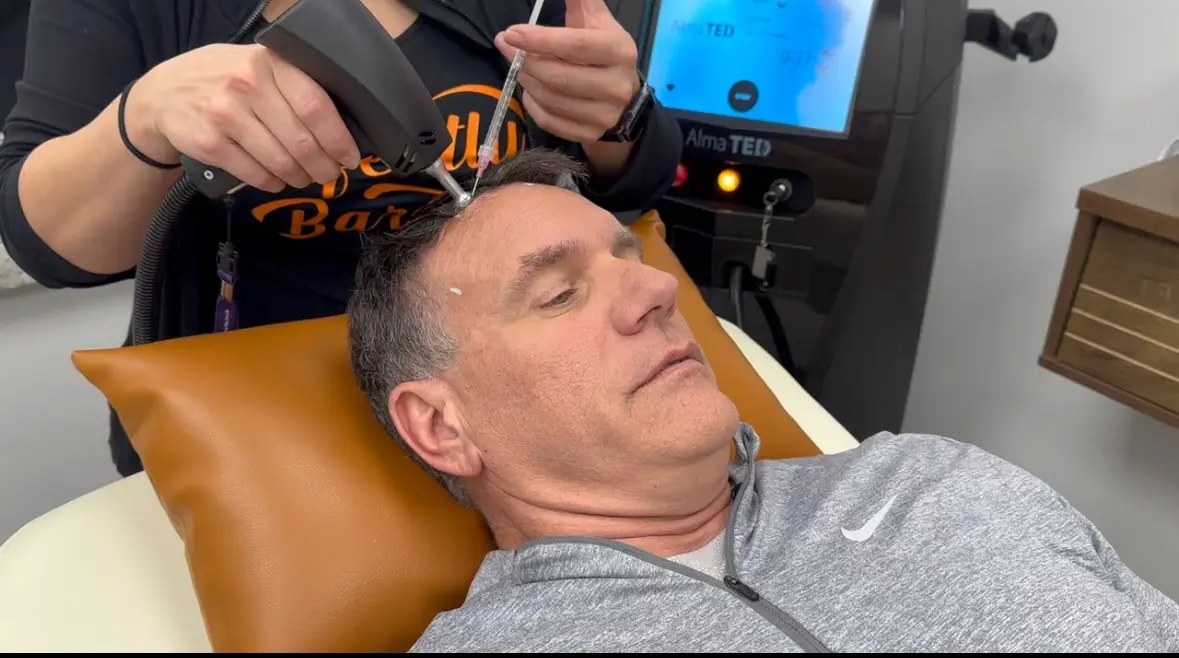
A beautifully balanced face is not about chasing a different nose, a sharper jawline, or dramatically fuller lips. It is about seeing how each feature relates to the next, then making thoughtful adjustments that support your natural structure. This guide to facial balancing explains how experienced medical providers approach proportion, volume, skin quality, and expression to create results that still look unmistakably like you.
For many patients, the goal is simple: to look rested, refreshed, and more confident without appearing overfilled or overtreated. Achieving that effect requires more than selecting a syringe or following a trend. It takes an individualized assessment, precise technique, and a plan that respects your anatomy.
What Facial Balancing Actually Means
Facial balancing is a customized aesthetic approach that evaluates the face as a whole rather than treating one concern in isolation. A patient may arrive focused on thin lips, under-eye hollows, a soft jawline, or deep smile lines. Those concerns matter, but the most natural outcome may involve addressing a nearby area that is influencing the overall proportion.
For example, a weak or recessed chin can make the nose appear more prominent and the jawline less defined. Restoring structure to the chin may create a more harmonious profile without changing the nose at all. Likewise, loss of cheek support can contribute to under-eye shadows and folds around the mouth. Strategic cheek restoration may soften those areas more naturally than placing filler directly into every line.
The objective is not perfect symmetry. Human faces are naturally asymmetric, and a completely mirrored face can look unnatural. The goal is better visual harmony, improved support, and a result that complements how you look when you speak, smile, and move.
Why a Full-Face Assessment Matters
The face changes as an integrated system. Over time, collagen, elastin, bone support, fat pads, and skin hydration all shift. Volume can diminish in the temples and midface while heaviness develops along the lower face. This is why treating only the most visible concern can occasionally produce a result that feels incomplete.
A full-face assessment considers your facial shape, bone structure, skin thickness, muscle movement, current volume distribution, and aesthetic preferences. Your provider should also ask what you like about your appearance. That conversation is essential. Facial balancing should enhance your defining features, not erase them.
At a consultation, an expert medical provider may evaluate your face from the front, side, and three-quarter views. Photos can be helpful because they reveal proportion differently than a mirror does. Your provider may assess forehead-to-chin length, cheek width, chin projection, jaw definition, lip-to-chin balance, and the relationship between the nose and lower face.
This does not mean every area needs treatment. In many cases, the best plan is deliberately conservative, focusing on one or two high-impact areas and reassessing after swelling has resolved.
The Building Blocks of Facial Balancing
Restoring Structural Support
Structural support often begins in areas such as the cheeks, temples, chin, and jawline. These regions influence the framework of the face and can improve the appearance of surrounding features.
Cheek enhancement can restore a subtle lifted look when age-related volume loss has flattened the midface. Chin filler can add projection, improve lower-face proportion, and refine the transition from chin to jaw. Jawline treatment may create definition for patients bothered by softness or a less distinct facial contour.
The right product and placement matter as much as the amount used. Different dermal fillers are designed for different purposes, from flexible movement in the lips to firmer support along the chin or jawline. A premium medspa should select products and techniques based on the specific tissue being treated rather than using a one-size-fits-all approach.
Refining Dynamic Lines With Neuromodulators
Neuromodulators can complement filler-based facial balancing by relaxing repetitive muscle movement. When carefully placed, they can soften forehead lines, frown lines, and crow’s feet while preserving natural expression.
They may also be used strategically for concerns such as a downturned mouth, chin dimpling, excessive jaw muscle activity, or a subtle brow lift. The desired result is not a frozen face. It is a softer, more rested appearance that still allows your personality to show.
Neuromodulators and fillers work differently, so they are not interchangeable. Neuromodulators address muscle-driven wrinkles and movement. Fillers restore or enhance volume and shape. Some patients benefit from one approach, while others see the most balanced result from a combination plan.
Improving Skin Quality and Texture
Balanced features can still look tired when the skin is dull, crepey, uneven, or marked by acne scars and sun damage. Skin quality is an important part of facial harmony because smooth, healthy-looking skin reflects light more evenly and can make contours appear more refined.
Advanced treatments such as Morpheus8, Sciton BBL, HALO, Alma ClearLift, and Opus can be selected based on concerns such as laxity, discoloration, enlarged pores, fine lines, or texture. These treatments do not replace injectable services, but they can support a more complete rejuvenation plan by improving the surface and underlying quality of the skin.
The trade-off is timing. Certain laser and energy-based treatments require a recovery period, while others have minimal downtime. Your provider can help sequence treatments so that injectables, skin resurfacing, and any event-based plans work together safely.
A Guide to Facial Balancing by Concern
Patients do not need to arrive knowing exactly which treatment they need. A strong consultation begins with the outcome you want to see.
If your main concern is looking tired, the solution may involve midface support, under-eye evaluation, skin brightening, or all three. Under-eye hollows deserve special caution because this area is delicate and not every patient is an ideal filler candidate. Sometimes cheek support, skin treatment, or a surgical referral is more appropriate.
If your profile feels unbalanced, chin projection and jawline definition may be more relevant than treating the lips or cheeks. If you want a softer lower face, your provider may evaluate jaw muscle activity, skin laxity, and chin shape before recommending a plan.
For patients concerned about lips, facial balancing does not automatically mean larger lips. It may mean restoring hydration, refining the border, improving proportion between the upper and lower lip, or supporting the area around the mouth. The best lip results fit the rest of the face at rest and in motion.
What Natural Results Require
Natural results begin with appropriate expectations. Injectable treatment can create meaningful refinement, but it cannot replicate surgical changes, correct every asymmetry, or stop the aging process. The safest and most elegant plans are often built over several appointments rather than completed in one aggressive session.
A qualified provider should discuss potential side effects, including swelling, bruising, tenderness, and the rare but serious vascular risks associated with dermal filler. They should review your health history, current medications, previous aesthetic treatments, and any upcoming travel or events. Do not minimize prior filler history. Knowing what has been placed before helps your provider make safer decisions.
You should also be cautious about trend-driven requests. A feature that photographs well in a filtered social post may not suit your facial anatomy or age well over time. An experienced injector will explain when a requested treatment is unlikely to create the result you want and offer alternatives when appropriate.
Planning Your Treatment Timeline
Most patients appreciate a phased plan. Start with the area that will deliver the greatest improvement in overall balance, then allow time for swelling to settle before deciding what comes next. This approach can prevent overcorrection and makes it easier to see what your face truly needs.
For an upcoming wedding, reunion, or professional milestone, schedule your consultation well in advance. Bruising is possible with injectables, and skin rejuvenation treatments may require recovery time or multiple sessions. Building a timeline around your event gives you more flexibility and reduces the pressure to do too much at once.
Maintenance also varies. Neuromodulators commonly need periodic refreshment, while filler longevity depends on the product, placement, metabolism, and movement in the area. Skin treatments often produce the best long-term improvement when paired with consistent sunscreen use and a personalized skincare routine.
Choosing the Right Provider
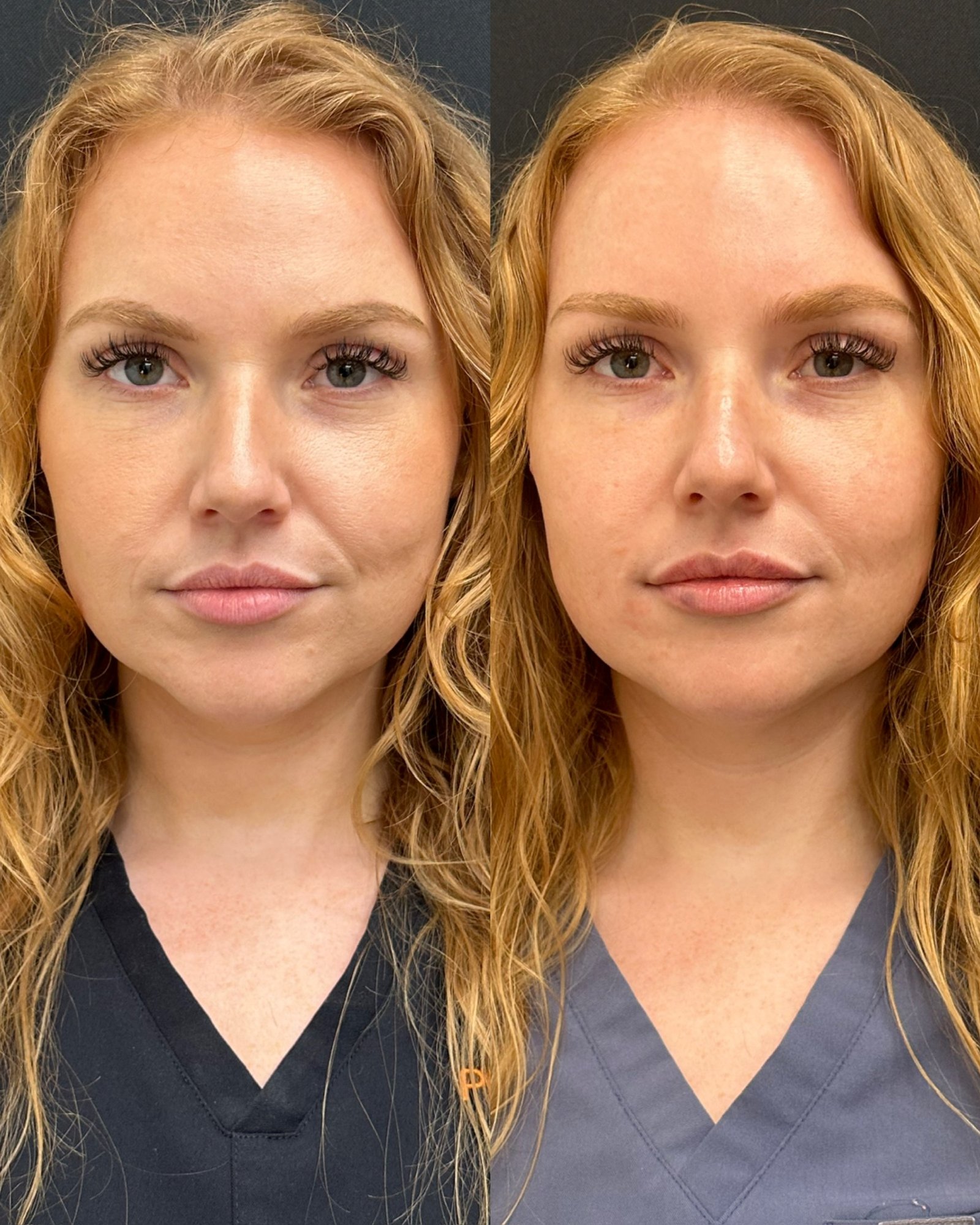
Facial balancing is highly technique-dependent. Look for a practice led by expert medical providers who prioritize consultation, anatomy, safety protocols, and a conservative eye for proportion. Before-and-after photos can be useful, especially when they show consistent, natural-looking outcomes across patients with different facial shapes and ages.
At Perfectly Bare Laser, facial aesthetics can be planned alongside advanced skin technology, allowing patients to address structure, movement, and skin quality with one personalized strategy. The right recommendation is never simply the most treatment. It is the treatment that serves your features, comfort level, and goals.
A balanced result should feel like recognition, not reinvention. When the plan is thoughtful and the technique is precise, friends may notice that you look rested or confident without being able to identify exactly why. That is often the most rewarding kind of transformation.
Ready to Reveal a More Balanced, Confident You?
Facial balancing isn’t about changing what makes you unique—it’s about enhancing your natural features and creating beautiful harmony from every angle. At Perfectly Bare Laser, your journey begins with a thoughtful, personalized consultation focused on your goals.
Meet with Sheri Golden, PA-C, and Maria De Lourdes Coats, APRN, whose medical expertise, artistic precision, and commitment to natural-looking results can help you feel refreshed, confident, and completely yourself.
Take the first step toward your ideal look. Schedule your facial balancing consultation with Sheri and Maria today— Book Online or call Perfectly Bare Laser at 813-444-3204.