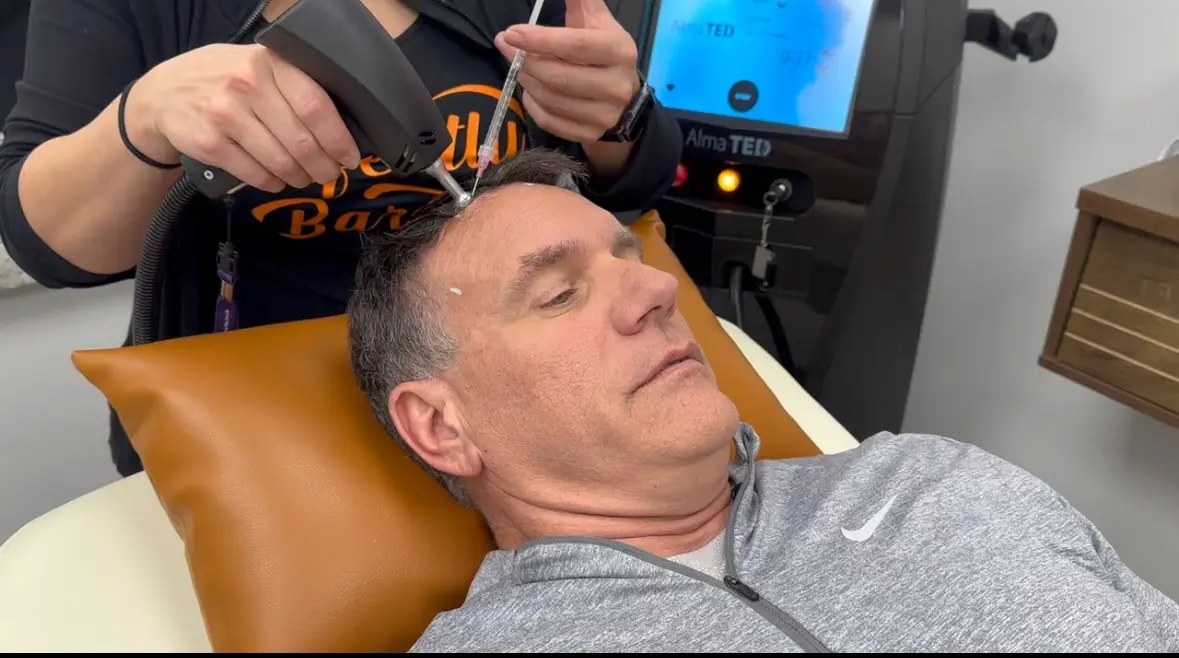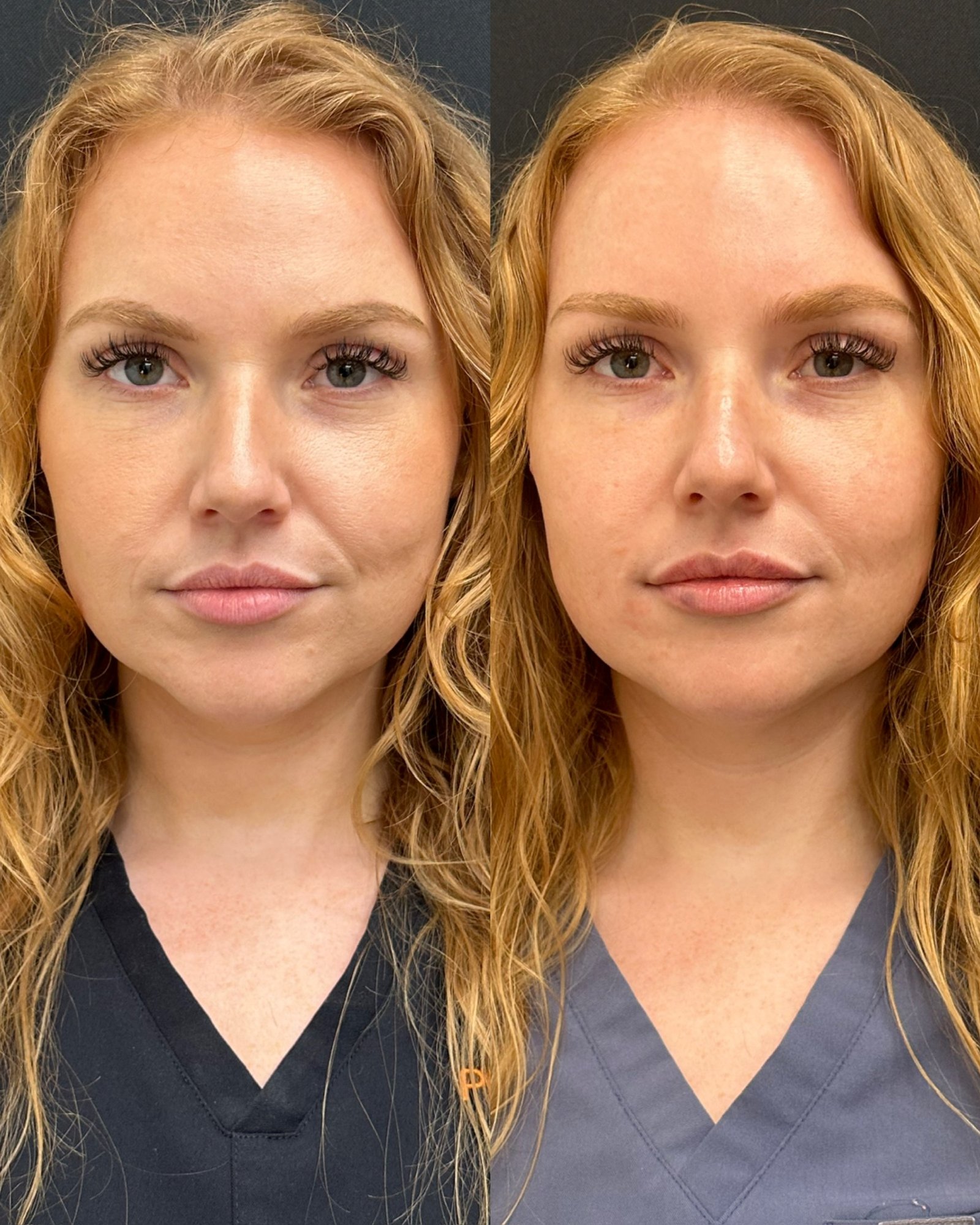
A forehead line that settles in even when your face is relaxed needs a different solution than cheeks that look flatter than they used to. That is where the Botox vs dermal fillers conversation becomes useful. These treatments are often grouped together, but they work in very different ways, target different signs of aging, and create different kinds of results.
If you are deciding between injectables, the best choice usually comes down to one question: are you trying to soften movement-related lines, restore lost volume, or both? Once that part is clear, the treatment plan gets much easier.
Botox vs dermal fillers: the core difference
Botox is a neuromodulator. It relaxes targeted muscles so repeated facial movements do not crease the skin as strongly. That makes it especially effective for dynamic wrinkles, which are the lines created by expression. Think forehead lines, frown lines between the brows, and crow’s feet.
Dermal fillers do something else entirely. They add structure, contour, and volume beneath the skin. Most modern fillers are made with hyaluronic acid, a substance the body naturally contains. Fillers are commonly used to enhance lips, restore cheeks, soften smile lines, improve jawline definition, and reduce hollowing under the eyes in the right candidate.
So in plain terms, Botox treats muscle movement. Fillers replace or enhance volume. That distinction matters because using the wrong injectable for the wrong concern can lead to underwhelming results.
When Botox is usually the better choice
If your lines appear most when you raise your brows, squint, or frown, Botox is often the more precise treatment. It helps prevent those repeated motions from etching lines deeper over time while also smoothing the look of existing expression lines.
This is why Botox is popular not only for correction, but also for prevention. Many clients start in their late 20s or 30s when movement lines are becoming more noticeable but have not yet settled deeply into the skin. Others begin later and still see excellent improvement, especially when Botox is paired with skin rejuvenation treatments that address texture, tone, and collagen support.
Results do not show up instantly. Most people begin to notice a change within a few days, with full effect typically visible around two weeks. The outcome should look refreshed, not frozen, when the treatment is performed thoughtfully and tailored to your facial anatomy.
Botox is not ideal for every wrinkle. If a line is caused by volume loss, skin laxity, or sun damage rather than muscle activity, relaxing the area will only go so far.
When dermal fillers make more sense
If your face looks tired because of flattening, hollowing, or loss of support, filler is usually the more effective option. Aging is not just about wrinkles. Over time, we lose fat, collagen, and bone support, which can change facial shape and make features appear less lifted.
Dermal fillers can restore balance in a way skincare alone cannot. Cheek filler can bring back midface support. Lip filler can improve shape and hydration. Filler around the mouth can soften folds and help the lower face look less drawn. In some cases, filler can also improve profile harmony in the chin or jawline.
One of the biggest advantages of filler is that results are visible right away, although there can be swelling for the first few days. The trade-off is that filler is highly technique-dependent. Product selection, placement depth, and facial proportions all matter. More filler is not always better, and the best outcomes tend to look refined rather than obvious.
Fillers also are not a substitute for everything. If the concern is skin crepiness, pigment, or significant laxity, a provider may recommend combining filler with treatments such as Morpheus8, HALO, BBL, or other collagen-stimulating options for a more complete result.
Botox vs dermal fillers for common concerns
For forehead lines and frown lines, Botox is generally the first choice because those wrinkles are created by muscle movement. Filler in that area is rarely the starting point.
For crow’s feet, Botox is also usually the better fit. It softens the outer eye area without adding bulk.
For cheeks, filler is the standard option because the goal is support and volume, not muscle relaxation.
For lips, filler is typically the answer. Botox can play a role in a subtle lip flip for select clients, but it does not replace the volume and structure that filler can create.
For smile lines, it depends. Some nasolabial folds improve with filler, especially if cheek support is restored first. Others are better treated with a broader plan that addresses facial volume, skin quality, and movement patterns together.
For under-eye hollows, filler can help in carefully selected patients, but this is an area that requires a conservative and experienced approach. Not every under-eye concern is caused by volume loss.
For jawline slimming from strong masseter muscles, Botox may help. For a sharper jawline due to lack of structure, filler may be more appropriate.
How long results last
Botox is temporary. Most clients need maintenance every three to four months, though this varies based on metabolism, treatment area, dosage, and muscle strength.
Dermal filler longevity depends on the product used, the area treated, and how your body metabolizes it. Some fillers may last six to twelve months, while others can last longer. Lips often break down filler faster than less mobile areas. Cheek and jawline filler may hold up longer.
Longer-lasting does not automatically mean better. The real goal is choosing a product that suits the tissue, the movement in that area, and the look you want.
What treatment feels like and what downtime looks like
Both Botox and fillers are considered low-downtime treatments, which is part of their appeal. Botox injections are quick and typically feel like small pinches. Most clients return to normal activities the same day, with a few aftercare precautions.
Filler appointments can take a bit longer, especially if multiple areas are treated. Numbing agents are often used, and many filler formulas include lidocaine to improve comfort. Swelling, tenderness, or bruising is more common with filler than with Botox, particularly in the lips.
If you have a major event coming up, timing matters. Botox should be done early enough for full effect to settle in. Filler should be scheduled with enough room for swelling or bruising to resolve.
Why consultation matters more than trends
One of the biggest mistakes in aesthetics is choosing a treatment based on social media language rather than anatomy. Terms like “preventative Botox,” “liquid facelift,” or “lip balancing” can be helpful shorthand, but they should never replace a real assessment.
A skilled injector looks at facial movement, skin quality, volume distribution, symmetry, age-related change, and your comfort level with maintenance. They also ask what kind of result you want. Some clients want a subtle refresh that no one can pinpoint. Others want more visible contour or enhancement. Neither approach is wrong, but the plan should match the goal.
At a trusted MedSpa, the conversation should also include what not to treat. There are times when injectables are not the best first step, or when less product will create a better long-term result.
Can you get Botox and fillers together?
Yes, and many of the most balanced results come from combining them. Botox and filler are not competing treatments as much as complementary ones. If muscle movement is causing upper-face lines and volume loss is affecting the cheeks or lips, using both can create a more complete rejuvenation plan.
This combination approach often looks more natural because each product is doing the job it was designed to do. Instead of overfilling an area to compensate for untreated muscle activity, or relying on Botox to improve a hollow that really needs support, your provider can treat the actual cause.
That is also why injectable treatment plans often evolve over time. Your needs at 32 may be very different from your needs at 52, and a customized plan should shift accordingly.
Which one should you choose?
If the main issue is expression lines, Botox is usually the better place to start. If the concern is lost volume, facial hollowing, or contour, filler is often the more effective treatment. If you see both, you may be a strong candidate for a combined approach.
The right answer is rarely based on age alone. It is based on anatomy, goals, and how you want to look when treatment is done well. The best injectable results do not make you look like someone else. They help you look rested, supported, and more like yourself on a very good day.
A thoughtful treatment plan should leave you feeling informed, not pressured. When you understand what each option is designed to do, choosing between Botox and dermal fillers becomes far less confusing and a lot more empowering.