A wedding, a work presentation, a beach weekend, or simply a packed social calendar can change which treatment makes sense. When comparing BBL vs HALO downtime, the question is not only which device can improve your skin. It is which recovery experience fits your schedule, skin concerns, and comfort level.
At Perfectly Bare Laser, expert providers use advanced Sciton technology to create plans around real goals: clearer tone, smoother texture, fewer visible sun spots, softer fine lines, and more confident bare skin. BBL and HALO can both deliver visible skin renewal, but their downtime profiles are different by design.
BBL vs HALO Downtime at a Glance
BBL, short for BroadBand Light, is generally the lower-downtime option. Many clients return to normal activities the same day or the next day, although temporary redness and darkening of sun spots are common. HALO is a hybrid fractional laser treatment designed for more intensive resurfacing. It usually involves a more noticeable recovery period, including redness, swelling, bronzing, and peeling or flaking.
Neither treatment requires hiding at home for weeks. Still, HALO typically requires more planning if you want your skin to look fully settled for an important event. A provider can adjust settings and treatment intensity, so these timeframes are guides rather than guarantees.
What BBL Recovery Usually Looks Like
BBL uses light energy to target pigment, redness, visible vessels, and other signs of photoaging while leaving the surface of the skin largely intact. It is a popular choice for clients who want meaningful improvement with minimal interruption to daily life.
Immediately after a BBL treatment, the skin may look pink or feel warm, similar to a mild sunburn. This often settles within a few hours, though some clients experience redness for a day or two, especially after a more corrective treatment or when treating the chest, neck, or body.
The most visible part of BBL recovery is often what happens to pigmentation. Brown spots and freckles may temporarily darken over the first several days. This is expected. The treated pigment gradually rises to the surface and flakes away, commonly within about one to two weeks. It can be tempting to pick at these spots, but letting them shed naturally helps protect the skin and supports a more even result.
Most clients can wear mineral makeup the next day if their provider approves it. Exercise, heat exposure, hot yoga, saunas, and direct sun should be limited immediately after treatment because they can increase redness and irritation. In Tampa’s bright climate, consistent broad-spectrum sunscreen and sun-protective habits are essential after any light-based skin treatment.
BBL is often a fit when you want to treat
BBL may be a strong choice for visible sun damage, scattered brown spots, facial redness, rosacea-related redness, uneven tone, and early signs of aging. It can also be an excellent maintenance treatment for clients who want refreshed, luminous skin without setting aside a full week for recovery.
For some concerns, a series of BBL sessions creates the best outcome. That can be a benefit for someone who prefers gradual improvement and short recovery periods over time rather than one more intensive treatment.
What HALO Recovery Usually Looks Like
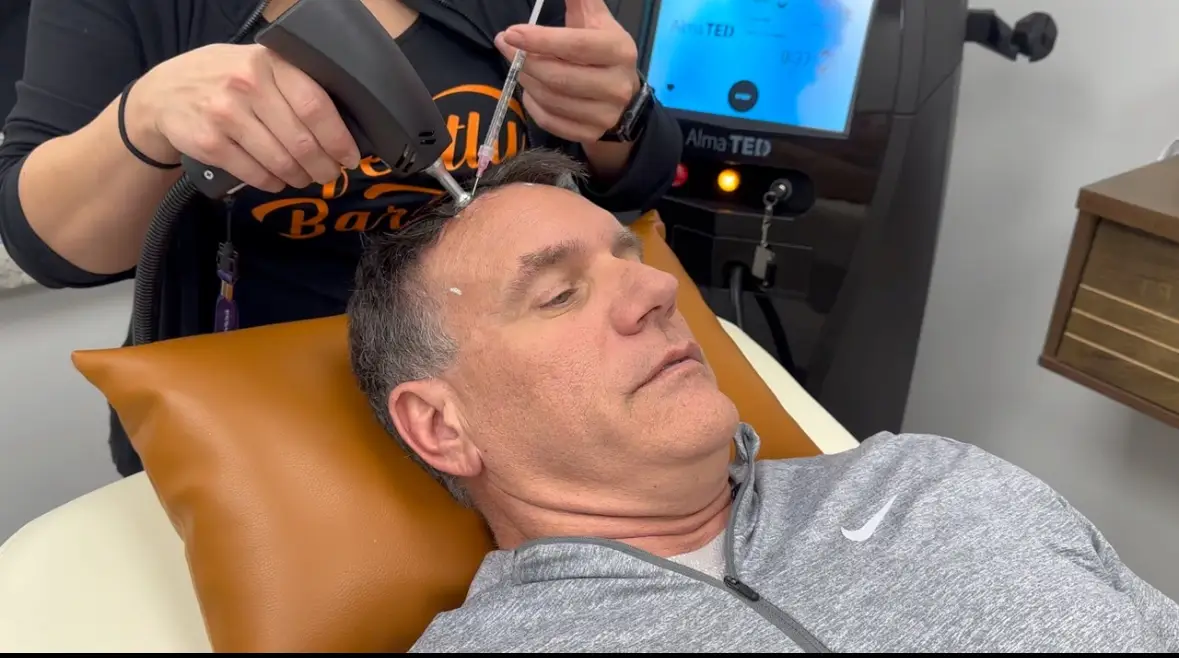
HALO combines non-ablative and ablative wavelengths in one hybrid fractional laser treatment. In practical terms, it addresses concerns at different depths while treating only a fraction of the skin at a time. That approach can produce more substantial improvement in texture and pigment than a light-only treatment, but it also explains why HALO downtime is more involved.
Right after HALO, the skin is typically red and warm, and swelling can occur, particularly around the eyes. The warmth usually improves within hours, while redness and swelling are often most apparent during the first one to three days. Your provider may recommend cooling measures and specific post-treatment products to keep the skin comfortable and supported.
By days two through four, the skin can develop a bronzed, sandpaper-like appearance. Tiny dark dots, often called microscopic epidermal necrotic debris, may become visible. This is a normal part of the renewal process, not a sign that something has gone wrong. As the treated skin sheds, many clients notice flaking or peeling from about days three through seven.
Most people plan five to seven days before a major social event after HALO. Skin can remain lightly pink beyond that point, especially at higher settings or in sensitive skin, but makeup can often help once the provider confirms it is appropriate. The full collagen-building response develops over the following weeks and months, so the immediate glow is only part of the result.
HALO is often a fit when you want to treat
HALO may be the better match for more noticeable sun damage, uneven texture, enlarged pores, fine lines, acne scarring, and pigment concerns that need a stronger resurfacing approach. It is often chosen by clients willing to accept several days of visible recovery in exchange for a more dramatic reset.
That does not mean HALO is automatically better. If the main concern is redness or isolated pigment and your calendar does not allow for flaking, BBL can be the more strategic treatment. The best technology is the one that addresses your concern safely and fits your life.
The Real Difference Is More Than Downtime
When deciding between BBL and HALO, think in terms of treatment depth, goals, and timing. BBL is primarily a light-based correction for tone and pigment. It is efficient, comfortable for many clients, and easy to work into a maintenance routine. HALO is a fractional laser resurfacing treatment that goes further for texture and more established signs of aging.
A person with mild sun spots and facial redness may be thrilled with BBL and little to no social downtime. Someone with acne scars, etched-in fine lines, and years of cumulative sun exposure may see a better return from HALO, even if they need to plan a quieter week afterward.
Skin tone also matters. Both treatments require thoughtful provider selection and customized settings, particularly for clients prone to post-inflammatory hyperpigmentation or those with deeper skin tones. A consultation should include an assessment of your skin type, pigmentation history, current skincare, sun exposure, and any medications that could affect healing.
How to Plan Around an Event
For BBL, schedule at least two weeks before a major event if brown spots are one of your concerns. While the redness may fade quickly, temporarily darkened pigment can be more noticeable before it clears. If you are having BBL for redness alone, the schedule may be more flexible, but it is still wise to allow several days.
For HALO, give yourself more room. Scheduling four to six weeks before a wedding, vacation, professional photos, or another milestone provides time for the initial recovery and for your skin to reveal its brighter, smoother look. Higher-intensity settings, treatment of larger areas, and individual healing patterns can extend visible redness, so avoiding last-minute laser appointments is always the safer choice.
Do not plan either treatment immediately before extended outdoor time. Florida sun exposure can complicate recovery and increase the risk of unwanted pigmentation. If a beach trip is on the calendar, talk with your provider about whether it makes more sense to treat before the trip with ample healing time or wait until after.
Aftercare Helps Shape Your Recovery
Your provider’s aftercare plan matters as much as the device choice. Gentle cleansing, approved moisturizers, consistent sun protection, and avoiding heat, sweating, exfoliants, retinoids, and active skincare for the recommended period can help your skin recover more comfortably.
Avoid rubbing, scrubbing, or pulling at flaking skin after HALO or darkened spots after BBL. The goal is to support the natural shedding process, not speed it up. Contact your provider if you experience worsening pain, blistering, significant swelling, or symptoms that feel outside the expected recovery guidance.
Choosing the Right Treatment for Your Skin and Calendar
If your priority is a lower-downtime refresh for tone, redness, and sun spots, BBL may be the right place to start. If you are ready to address deeper texture concerns and can plan for several days of visible recovery, HALO may offer the more transformative path.
The most confident choice comes from a personalized evaluation, not a one-size-fits-all timeline. An expert provider can match Sciton BBL or HALO treatment settings to your skin, goals, and upcoming plans so you can invest in real, visible results without guessing about what recovery will look like.