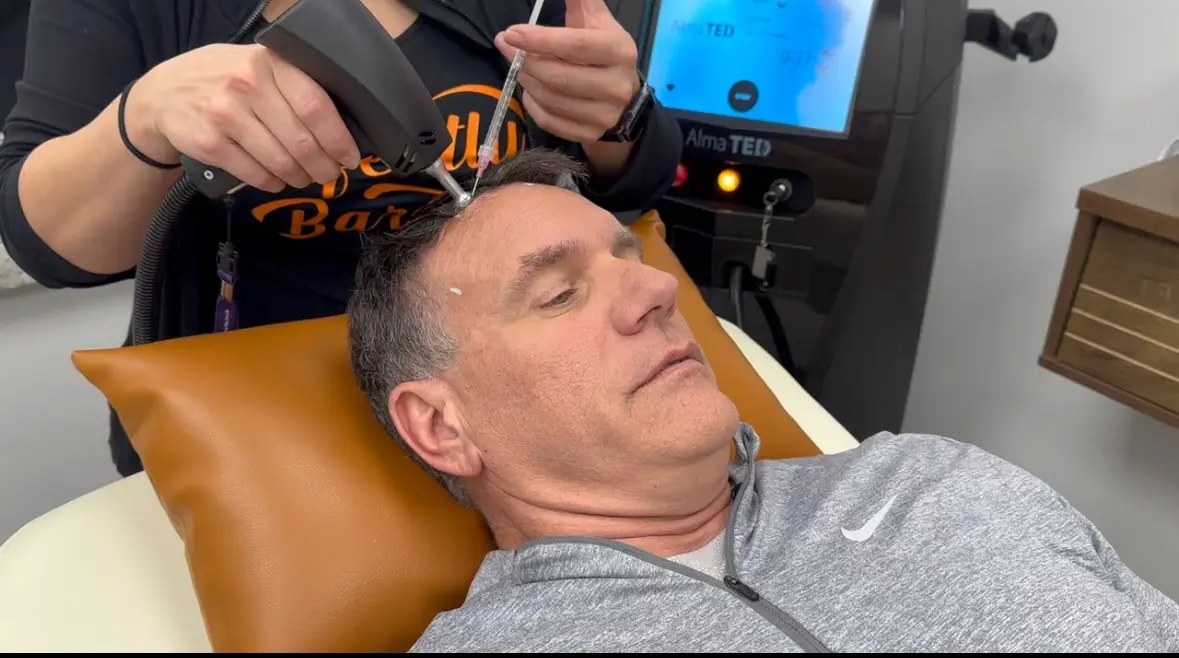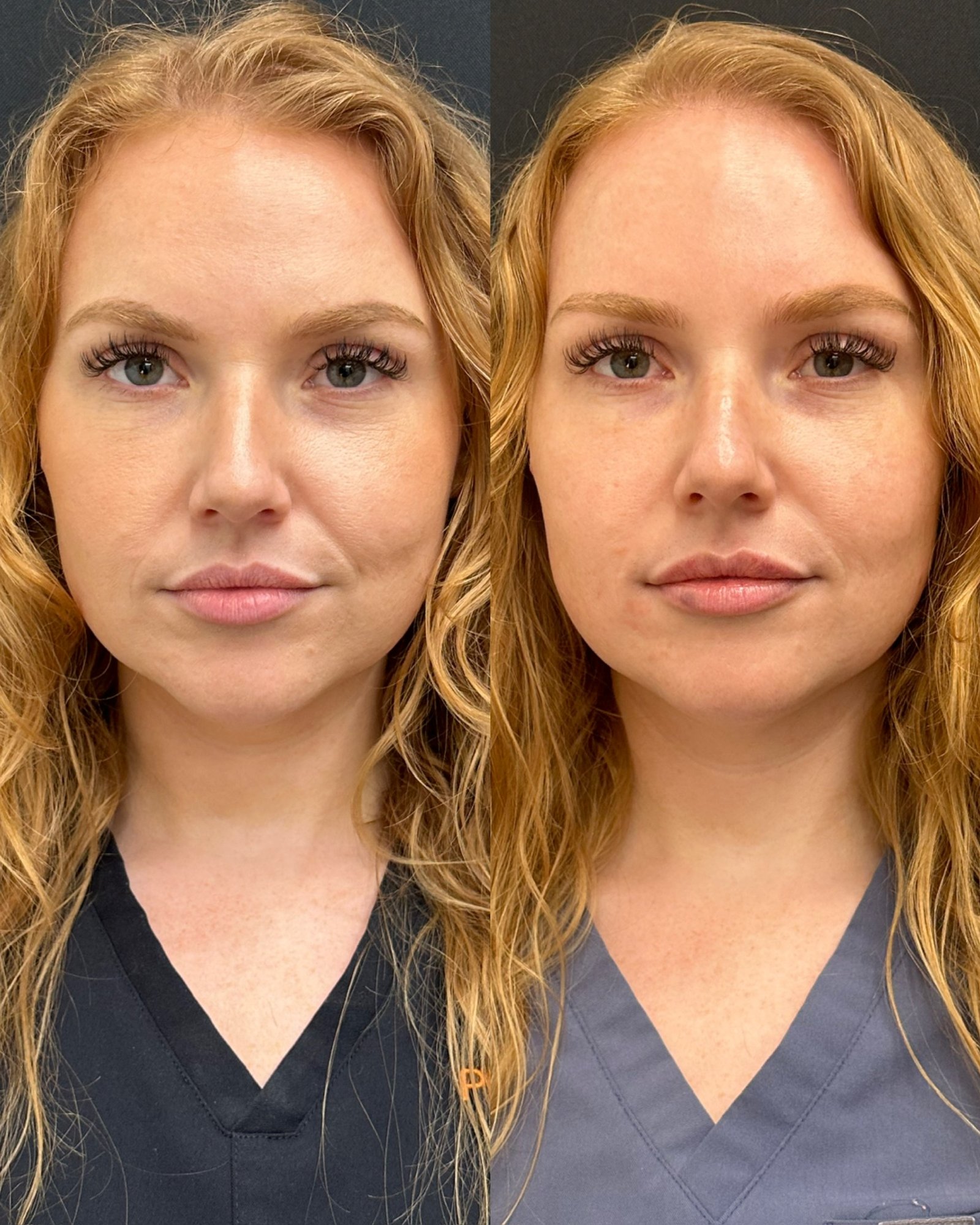
When your skin looks tired in every light, the issue usually is not just one wrinkle or one dark spot. It is texture, crepey areas, uneven tone, acne scarring, and that overall loss of bounce that makes skin look older than it feels. That is where opus plasma resurfacing benefits stand out. This treatment is designed to improve multiple concerns at once while giving providers room to tailor intensity, depth, and downtime based on your skin goals.
For clients who want visible rejuvenation without committing to a more aggressive ablative procedure, Opus often hits the sweet spot. It uses fractional plasma energy to create controlled micro-injuries in the skin, which stimulates collagen remodeling and skin renewal. The result is not a filter effect for 48 hours. It is a clinical treatment aimed at real, visible improvement over time.
What makes Opus different from traditional resurfacing
Opus Plasma is not just another facial with a technology-forward name. It is a resurfacing platform that uses radiofrequency energy converted into plasma. That matters because it allows treatment to target the skin in a controlled fractional pattern rather than treating the entire surface uniformly.
In practical terms, that can mean more flexibility. Providers can adjust settings based on whether the goal is softening fine lines around the eyes, improving acne scars on the cheeks, or refining texture in areas where the skin is thinner and more delicate. For patients who want meaningful skin renewal but are wary of the recovery associated with older resurfacing methods, that customization is a major advantage.
The most noticeable opus plasma resurfacing benefits
The biggest reason patients ask about Opus is simple – they want smoother, fresher, tighter-looking skin without putting life on hold for weeks. That expectation is reasonable, but the benefits are best understood in layers.
Smoother texture and refined pores
One of the fastest visible changes after Opus is improvement in skin texture. Roughness, mild acne scarring, enlarged pores, and uneven surface quality often begin to look more refined as the skin heals and renews. Makeup tends to sit better, and bare skin looks more polished.
This is especially valuable for patients whose skin does not necessarily need volume correction or injectables, but does need resurfacing. If your concern is that your skin looks dull, porous, or slightly creased, Opus addresses the surface in a way many tightening-only treatments do not.
Softening fine lines and crepey skin
Fine lines around the eyes, mouth, and lower face can be difficult to treat with skincare alone. Opus supports collagen production, which helps soften those etched-in areas over time. It can also improve crepey skin quality in zones where laxity and thinning make the skin look prematurely aged.
It is important to set expectations here. Deep folds and significant sagging may still require a broader treatment plan. But for mild to moderate lines and early skin aging, Opus can create a meaningful change in how smooth and firm the skin appears.
Improvement in acne scars and post-breakout texture
Not all acne marks respond the same way. Pigment left behind after a breakout is different from depressed acne scarring, and both may need a strategic approach. Opus can be especially useful for textural acne scars because resurfacing helps remodel the skin rather than only brightening discoloration.
For many patients, this is one of the most compelling benefits. Scars that catch the light or create an uneven skin surface are often what keep skin from looking clear, even when active acne is gone. By improving that texture, the skin can look healthier and more uniform.
Firmer-looking skin with collagen support
A resurfacing treatment should not just exfoliate the top layer and call it a day. One of the stronger opus plasma resurfacing benefits is that it supports collagen remodeling below the surface. That deeper response is what helps skin look firmer and more resilient, not simply smoother for a short window.
This is also why results tend to improve over time. You may notice an early glow as the skin heals, but collagen changes continue developing in the weeks that follow. For patients focused on long-term skin quality, that matters more than a quick temporary boost.
Why downtime is a big part of the conversation
Many advanced skin treatments work well. The real question is whether they fit your life. A lot of patients want stronger results than a light peel or no-downtime facial can offer, but they are not willing to disappear socially for an extended recovery.
Opus often appeals to that middle ground. Downtime can vary based on treatment intensity, skin sensitivity, and the area treated, but many patients find it more manageable than older, more aggressive resurfacing options. You should still expect redness, a rough sandpapery feel, and a healing period. This is not a lunchtime facial. But for the level of rejuvenation it can deliver, the recovery is often viewed as a worthwhile trade-off.
That said, more aggressive settings may produce more dramatic results and more downtime. Lighter settings can shorten recovery, but they may also require a series of treatments to reach your goal. This is why a customized plan with an expert provider matters.
Who tends to benefit most from Opus Plasma
The best candidates are usually patients who want to improve visible aging or texture without surgery and without the extended downtime of some fully ablative lasers. Opus can be a strong option for adults noticing fine lines, acne scarring, crepiness, uneven texture, and overall skin dullness.
It may also appeal to experienced aesthetics patients who already understand that one treatment does not solve every concern. If you have volume loss, redness, pigmentation, and textural damage all at once, Opus may be one part of a broader plan that could also include injectables, light-based treatments, or collagen-stimulating technologies.
Skin type, medical history, current skincare, and recent sun exposure all affect candidacy. In a Florida market like Tampa, where sun exposure is almost constant, this point matters even more. Resurfacing works best when patients are realistic about post-treatment care and serious about protecting their investment with sunscreen and maintenance.
How Opus compares to other skin rejuvenation treatments
Patients often ask whether Opus is better than microneedling, laser resurfacing, or RF-based treatments like Morpheus8. The honest answer is that it depends on the concern being treated.
If your main issue is surface texture, fine lines, and visible skin aging, Opus may offer stronger resurfacing benefits than treatments focused primarily on tightening. If your concern is deeper laxity or contour, another technology may be a better fit. If pigment is the dominant issue, your provider may recommend pairing resurfacing with a different device strategy.
This is where an experienced medical aesthetics team adds value. The best outcomes rarely come from chasing one trendy device. They come from choosing the right technology for the skin in front of you.
What results usually feel realistic
A good consultation should leave you encouraged, not overpromised. Opus can improve tone, texture, fine lines, pores, and some forms of scarring. It can make skin look fresher, tighter, and more refined. What it does not do is replace a facelift, erase every deep fold, or make sun damage disappear forever after one appointment.
Some patients see a strong improvement after one session, while others benefit most from a series. Maintenance may also be part of the plan, especially if you want to preserve results as your skin continues aging naturally. At a trusted MedSpa with expert medical providers, those expectations should be discussed clearly before treatment starts.
Getting the most from opus plasma resurfacing benefits
Results are not only about the device. They depend on provider technique, treatment settings, skin prep, aftercare, and whether your plan matches your actual goals. The strongest outcomes usually happen when resurfacing is treated as part of a personalized skin strategy rather than a one-off fix.
That means being honest about what bothers you most. Is it crepey under-eye skin, acne scars, rough texture, or early lines around the mouth? Once that is clear, your provider can decide whether Opus should be your primary treatment or one piece of a more complete rejuvenation plan.
For the right patient, Opus Plasma offers something many aesthetic treatments promise but do not always deliver – noticeable skin renewal with a level of customization that respects both your goals and your schedule. If your skin needs more than a glow but less than a major recovery, that middle ground can be exactly where real progress begins.