A widening part, more scalp visible under bright Florida sunlight, or a ponytail that no longer feels as full can be unsettling. Learning how to restore thinning hair starts with a better question than “What product should I buy?” Ask why your hair is thinning in the first place. The most effective plans address the underlying trigger, protect the follicles you still have, and use treatment options that fit your health, goals, and timeline.
Hair restoration is rarely a one-visit fix. Hair grows in cycles, and visible change takes consistency. But with expert guidance and the right treatment plan, many people can slow shedding, improve density, and feel more confident about their hair again.
Start With the Cause of Hair Thinning
Thinning hair is a concern, not a diagnosis. Pattern hair loss is common in both men and women and is often influenced by genetics and hormones. In men, it may appear as a receding hairline or thinning at the crown. In women, it often shows up as diffuse thinning through the part line while the frontal hairline remains intact.
Other causes can be temporary, yet still deserve attention. A major illness, surgery, rapid weight loss, childbirth, emotional stress, restrictive dieting, certain medications, thyroid changes, iron deficiency, and hormonal shifts can all push more follicles into a shedding phase. Tight hairstyles, frequent bleaching, heat damage, and inflammatory scalp conditions may also contribute to breakage or loss.
The pattern matters. Sudden shedding, round bald patches, itching, burning, scalp scaling, or thinning accompanied by fatigue, irregular periods, weight changes, or new facial-hair growth should be evaluated promptly. These signs may point to a medical or scalp condition that needs more than a cosmetic approach.
A qualified provider can review your history, examine the scalp and hair pattern, discuss medications and wellness changes, and recommend appropriate testing when indicated. That assessment helps prevent a common mistake: treating every form of hair loss as if it were the same.
How to Restore Thinning Hair With a Personalized Plan
A personalized plan usually combines at-home consistency with professional treatment when appropriate. The right approach depends on whether the goal is to reduce active shedding, encourage growth from weakened follicles, improve the look of existing hair, or prepare for a more advanced restoration option.
Use proven medical options when appropriate
Topical minoxidil is one of the most established options for pattern hair loss in men and women. It can help extend the growth phase of the hair cycle and support fuller-looking density over time. It must be used consistently, and some people notice temporary increased shedding in the early weeks as follicles transition into a new cycle. That can feel alarming, but it is not always a sign that treatment is failing.
Prescription options may be appropriate for some patients. Finasteride is commonly considered for male pattern hair loss and may be used selectively in certain women under careful medical supervision. Spironolactone may be considered for women whose thinning is connected to androgen sensitivity or hormonal imbalance. These are medical decisions, not one-size-fits-all solutions, particularly for people who are pregnant, trying to conceive, or managing other health conditions.
The best medication is the one that is clinically appropriate and realistic for you to maintain. Results are typically assessed in months, not weeks. Stopping an effective treatment can allow genetic hair loss to resume, so an expert provider should help set expectations before you begin.
Consider regenerative, in-office hair restoration
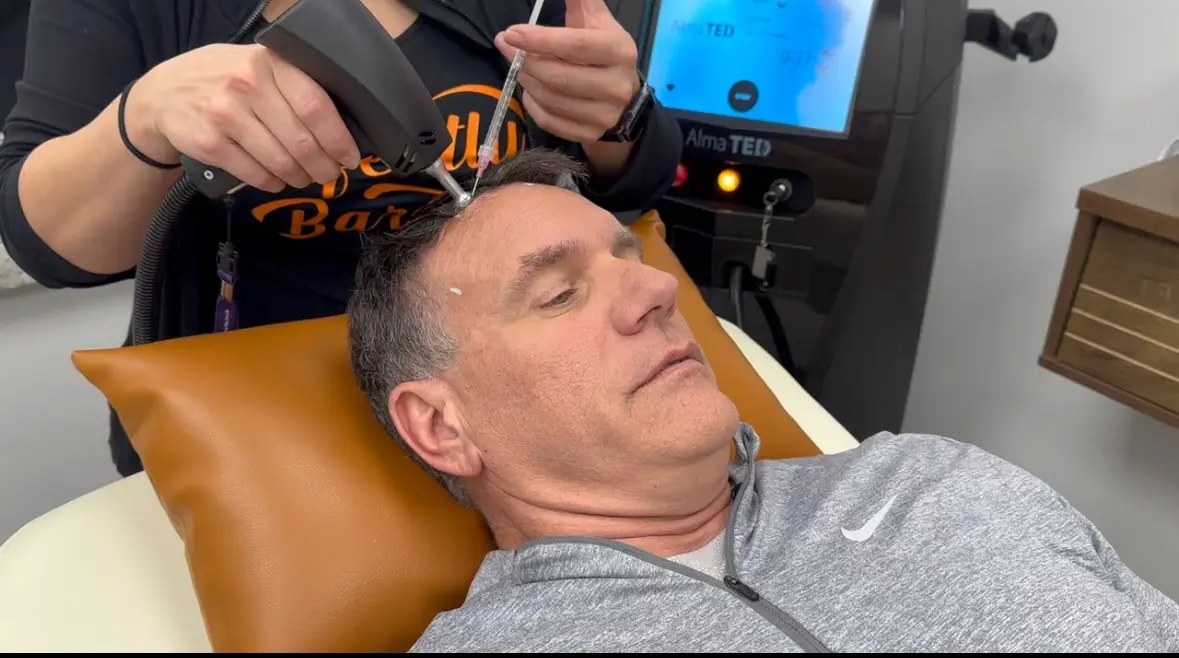
For people seeking a more comprehensive approach, in-office hair restoration treatments can support scalp health and follicle activity without surgery. Platelet-rich plasma, often called PRP, uses a concentrated portion of your own blood that is prepared and strategically placed in areas of thinning. It is commonly used as part of a series, followed by maintenance based on your response.
Low-level light therapy is another noninvasive option that may support follicle function for some patients. It can be useful for people who want a comfortable, low-downtime addition to their medical hair plan. Results vary, and these treatments work best when they are chosen for the correct type and stage of thinning rather than marketed as a universal cure.
At Perfectly Bare Laser, hair restoration planning is designed around the individual, not a generic protocol. A thoughtful consultation can identify whether a regenerative treatment, wellness support, medical management, or a combination is most likely to serve your goals.
Support the scalp without overcomplicating it
A healthy scalp does not guarantee new hair growth, but inflammation, buildup, dandruff, and irritation can make thinning harder to manage. Use a gentle cleansing routine that fits your hair type and wash frequency. If you have persistent flaking, tenderness, or itching, seek clinical guidance rather than layering multiple oils and exfoliants onto an already irritated scalp.
Be selective with supplements. Biotin has become a popular hair-loss answer, but it does not treat every type of thinning and can interfere with some laboratory tests. Iron, vitamin D, zinc, protein, and other nutrients matter when there is a true deficiency or inadequate intake. Taking high doses without a reason is not a replacement for identifying the cause.
Nutrition also deserves a realistic look. Fast weight-loss programs, low-protein eating patterns, and restrictive diets can trigger shedding. If weight management is part of your wellness plan, a medically guided approach can help protect your overall health while supporting adequate protein and nutrient intake.
Protect the Hair You Have While Treatment Works
Hair restoration takes patience, so reduce unnecessary damage while you wait for follicles to respond. Choose lower-tension hairstyles, avoid repeatedly pulling hair into tight buns or extensions, and minimize frequent high-heat styling. If you color or chemically process your hair, work with a stylist who understands fragile, thinning hair and can adjust the service accordingly.
For immediate cosmetic improvement, strategic haircuts, root coverage products, volumizing techniques, and hair fibers can make a meaningful difference. These options do not treat the cause, but they can help you feel more like yourself while a longer-term plan develops. There is no shame in using both cosmetic camouflage and medical treatment. Confidence does not need to wait for a final result.
Photography can also be useful. Take clear photos of your part line, temples, and crown in the same lighting every one to three months. Day-to-day mirror checks are unreliable because styling, humidity, and lighting change constantly. Consistent photos give you and your provider a more accurate way to judge whether shedding has stabilized and density is improving.
Set Expectations for Real, Visible Results
Most hair growth treatments need at least three to six months before early changes are noticeable, with fuller improvement often taking six to 12 months. The goal is not always to return to the density you had as a teenager. In many cases, a successful outcome means less shedding, stronger existing strands, a narrower part, better coverage, and a plan that preserves your results over time.
Earlier intervention usually gives you more options because treatments tend to work best when follicles are weakened but still active. Areas that have been completely smooth and bare for years may be less responsive to nonsurgical treatment. In those cases, a provider may discuss whether surgical hair transplantation or a cosmetic hair solution is a better match.
Be cautious with dramatic before-and-after promises, miracle oils, and expensive supplement stacks that do not include a diagnosis. Hair loss can be emotional, which makes quick-fix marketing especially persuasive. The most reliable path is measured: identify the pattern, choose evidence-informed treatment, track progress, and adjust when necessary.
Thinning hair does not have to become something you simply accept without answers. A personalized consultation gives you the clarity to move past guesswork and choose care that supports both your hair goals and your overall well-being.