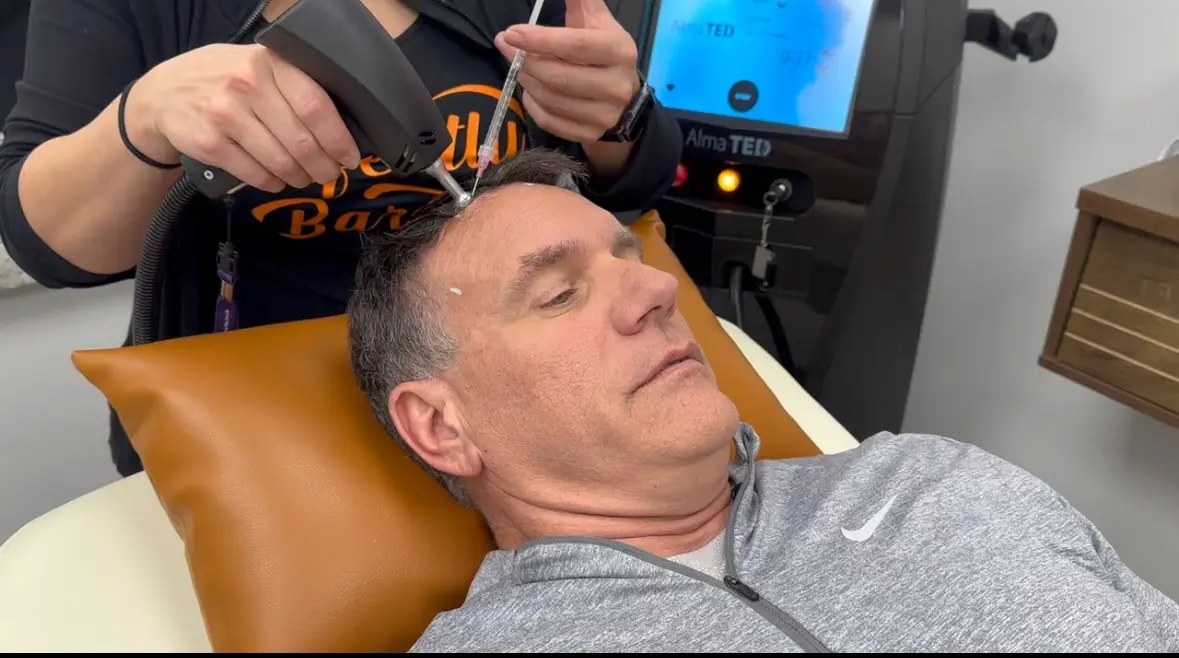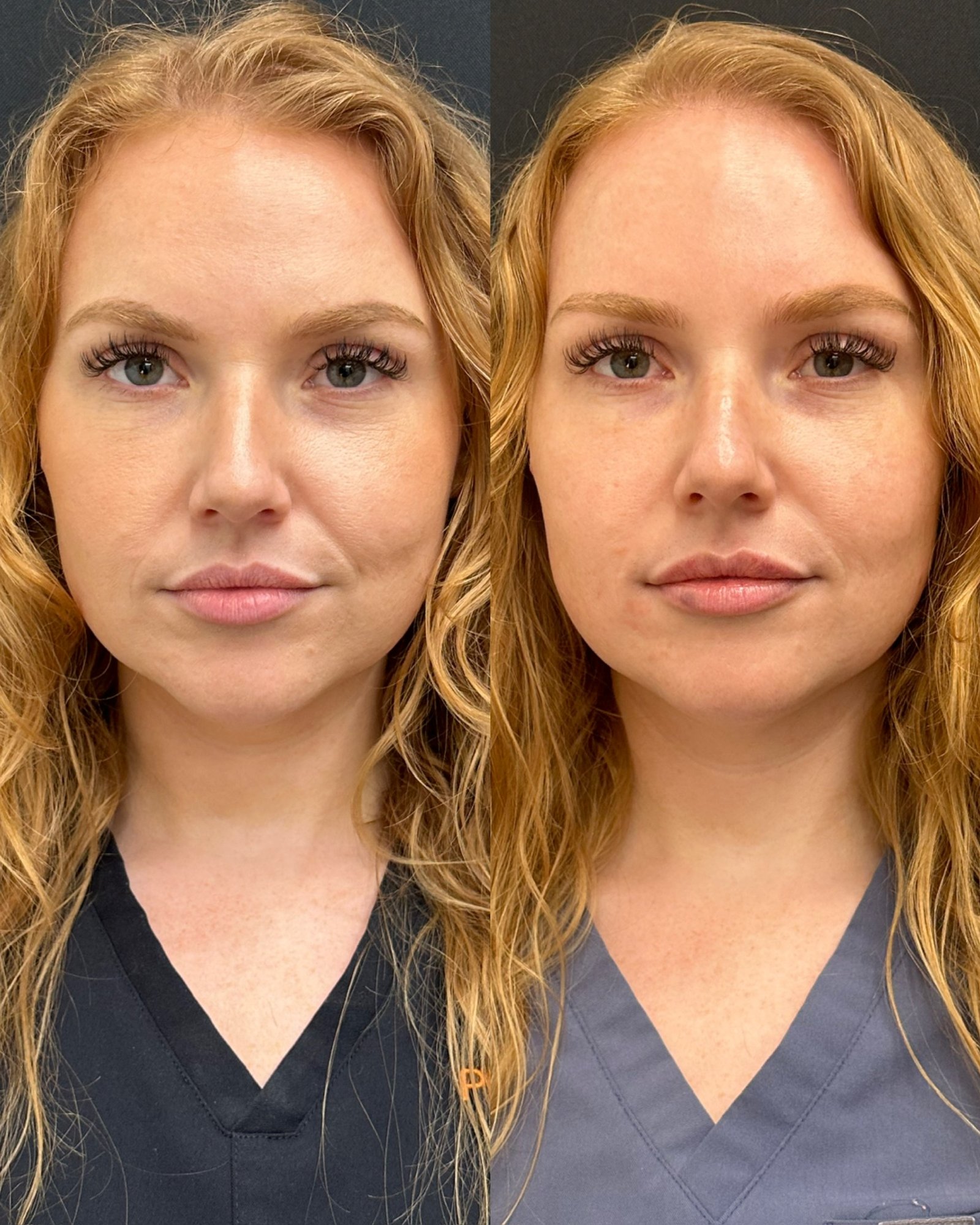
A few extra hairs in the shower can feel alarming. So can a widening part, a hairline that looks less defined in photos, or scalp visibility that seems more noticeable under Florida sunshine. Hair restoration treatment results can be highly rewarding, but they are rarely immediate. The clearest path to a better outcome starts with understanding why your hair is thinning, choosing the right medical approach, and giving the hair-growth cycle enough time to respond.
At Perfectly Bare Laser, we believe visible transformation should be paired with honest expectations. Hair restoration is not about a one-size-fits-all promise. It is about creating a personalized plan that supports healthier follicles, protects the hair you have, and helps you pursue fuller-looking coverage with expert guidance.
What Hair Restoration Treatment Results Can Improve
The word results means something different for every patient. For someone in the early stages of thinning, success may look like less shedding and a part that no longer appears wider. For another person, it may mean improved density through the crown, stronger-looking strands around the hairline, or hair that is easier to style without relying on strategic camouflage.
Many patients first notice changes in hair quality before they see obvious new growth. Existing strands may appear healthier, feel more substantial, and break less easily. With time, some patients see new hairs emerge and mature, creating the appearance of greater coverage. This distinction matters because healthy-looking hair and dramatic density gains are not the same goal, and the right treatment plan should reflect yours.
Hair restoration can be especially valuable when hair loss is addressed early. Follicles that are thinning or becoming less active often have more potential than follicles that have been inactive for years. That does not mean later-stage hair loss cannot be treated, but expectations may need to shift toward preservation, improved hair quality, or a more comprehensive approach.
Why Results Take Months, Not Days
Hair grows in cycles. Each follicle moves through a growth phase, a transition phase, and a resting phase before a strand sheds and the cycle begins again. Because treatments work with this biological process, visible improvement takes patience.
Some people notice reduced shedding or a healthier scalp within the first several weeks. More noticeable changes in fullness commonly develop over several months, while the most meaningful improvement may continue to build over six to 12 months. Your provider will help you understand the appropriate timeline for your specific plan rather than measuring progress against someone else’s before-and-after photos.
There can also be a temporary shedding period as the scalp adjusts and weaker hairs cycle out. While it can be concerning, it is not automatically a sign that treatment is failing. An expert medical provider can assess whether the response is expected and help you stay on track.
The Factors That Shape Your Outcome
Hair loss has many causes, and the cause strongly influences the treatment strategy. Genetics are a leading factor for both men and women, but hormones, stress, illness, nutritional deficiencies, medications, scalp conditions, and recent weight changes can also affect density and shedding.
For women, hormonal shifts related to postpartum recovery, perimenopause, menopause, or certain endocrine conditions may play a meaningful role. For men, a receding hairline or thinning crown may follow a familiar hereditary pattern. In either case, treating the visible concern without looking at the possible underlying contributors can limit results.
Your outcome may also depend on the duration and pattern of thinning, the quality of your existing hair, consistency with your recommended schedule, and the health of your scalp. Fine hair can make even modest density changes appear significant, while thick, coarse hair may require more coverage to create a visibly fuller effect. This is why an individualized assessment is more useful than a generic timeline.
How a Personalized Plan Supports Better Results
A thoughtful hair restoration plan begins with a close look at your hair and scalp, your medical history, and the changes you have noticed. Your provider may ask when the shedding began, whether it is diffuse or concentrated in one area, whether hair loss runs in your family, and whether major health or lifestyle changes occurred around the same time.
From there, treatment may focus on stimulating the scalp, supporting follicle health, addressing wellness factors that can contribute to hair changes, or combining appropriate therapies for a more complete approach. The best plan is not necessarily the most aggressive one. It is the one that fits your pattern of hair loss, comfort level, goals, lifestyle, and willingness to maintain results over time.
For example, a patient with early diffuse thinning may prioritize consistent treatments designed to support density and reduce ongoing loss. Someone with long-standing recession may benefit from a plan centered on preserving existing hair while improving the appearance of the areas that still have active follicles. There is no value in overpromising regrowth where follicles may no longer be viable. Clear guidance is part of quality care.
How to Track Hair Restoration Treatment Results Accurately
Hair is easy to judge emotionally and hard to judge objectively. A stressful morning in front of the mirror can make it seem as though nothing is improving, even when gradual changes are occurring. Consistent progress tracking gives you and your provider a much clearer picture.
Photos are particularly helpful when they are taken in the same location, with the same lighting, angle, hair part, and level of dryness. Natural sunlight, overhead bathroom lights, wet hair, and a new haircut can all change how much scalp is visible. Comparing standardized photos every few months is more meaningful than checking daily.
Pay attention to practical changes, too. Are you seeing fewer hairs on your pillow or brush? Does your ponytail feel more substantial? Is styling easier? Does your scalp show less through the crown or part? These details can show progress before a dramatic visual change is apparent.
Maintenance Is Part of the Commitment
Hair restoration is often a long-term strategy, particularly when genetics or hormones are involved. Even after you achieve improvement, maintenance may be recommended to support the hair-growth environment and help protect your progress.
Think of treatment less like a single appointment and more like a plan for your hair’s future. Consistency matters. Skipping recommended sessions, stopping a supportive regimen too soon, or waiting until thinning has advanced can make it harder to maintain the result you want.
Daily habits also play a supporting role. A balanced diet, adequate protein intake, stress management, gentle hair care, and prompt evaluation of significant new shedding can all contribute to a healthier foundation. These habits do not replace medical treatment for hereditary hair loss, but they can help remove obstacles that work against it.
When to Schedule an Evaluation
It is worth speaking with a qualified provider if you notice a sudden increase in shedding, bald patches, itching or irritation, a widening part, recession around the temples, or hair loss that follows a major health event. Sudden or patchy hair loss may require medical evaluation beyond aesthetic treatment, and early assessment can make a real difference.
For patients in Tampa and the surrounding area, a professional consultation offers something online advice cannot: a plan based on your actual scalp, hair pattern, health history, and goals. You should leave with a realistic idea of what improvement may look like, how long it may take, and what ongoing care could involve.
The most satisfying hair restoration treatment results are not about chasing an unrealistic version of your former hair. They are about taking an informed, proactive step toward healthier-looking coverage, greater confidence, and a plan that continues to support you as your needs change.