A lot of women do not bring this up until it starts affecting daily life – dryness, laxity, reduced sensation, discomfort with intimacy, or mild urinary leakage that shows up during workouts, coughing, or laughing. Vaginal rejuvenation non surgical treatments are designed for exactly this kind of concern: changes that feel personal, frustrating, and worth treating, but do not necessarily require surgery.
For many patients, the appeal is simple. They want meaningful improvement without incisions, general anesthesia, or a long recovery. They also want honest guidance, because this category can be confusing. Not every treatment does the same thing, not every symptom has the same cause, and the right plan depends on anatomy, hormone status, medical history, and goals.
What vaginal rejuvenation non surgical treatment actually means
This term is often used broadly, but it usually refers to non-invasive or minimally invasive treatments that support vaginal tissue health and function. Depending on the technology used, the goal may be to improve tissue tone, stimulate collagen, increase circulation, support moisture, or reduce mild stress urinary symptoms.
That matters because the concern behind the appointment is not always cosmetic. Some patients are primarily bothered by changes after childbirth. Others notice symptoms after menopause, during perimenopause, or after shifts in hormone levels. Some want to feel more confident during intimacy. Others simply want less irritation and better day-to-day comfort.
The phrase itself can make the conversation sound more dramatic than it needs to be. In practice, non-surgical feminine wellness treatments are often about restoring comfort and function as much as appearance.
Who may benefit from vaginal rejuvenation non surgical care
The best candidates are usually women dealing with mild to moderate concerns rather than severe structural issues. That can include vaginal dryness, decreased elasticity, mild laxity, discomfort with intercourse, reduced sensitivity, and light bladder leakage with physical activity.
Childbirth is a common reason patients start asking questions. Tissue stretching and pelvic floor changes can affect both sensation and support. Menopause is another major factor. As estrogen declines, vaginal tissue often becomes thinner, drier, and less resilient, which can affect comfort and confidence in a very real way.
There is also an emotional side to this conversation. Many women wait years before seeking care because they assume these symptoms are just part of aging or motherhood. Sometimes they are common, but common does not mean you have to ignore them.
How non-surgical treatments work
Most vaginal rejuvenation non surgical options use energy-based technology, usually radiofrequency or laser, to gently heat tissue and stimulate a repair response. The purpose is controlled collagen remodeling. Over time, that can improve tissue quality, support, and hydration.
Radiofrequency treatments typically focus on delivering therapeutic heat into the tissue without ablation. This approach is often chosen for comfort and minimal downtime. Laser-based treatments may create more targeted micro-injury to encourage renewal, depending on the platform and settings used.
In both cases, the idea is not instant tightening in the way marketing sometimes suggests. Tissue response happens gradually as collagen and blood flow improve. Patients often notice progressive changes over a series of treatments rather than a one-day transformation.
Some practices also combine device-based care with hormone evaluation or wellness support when symptoms point to a broader issue. That is especially relevant when dryness, pain, low libido, or tissue changes are strongly tied to menopause or hormonal imbalance. Technology can help, but it is not always the whole answer.
What treatment can improve – and what it cannot
The strongest results are usually seen in mild laxity, dryness, irritation, and early urinary symptoms. Many patients report better comfort, improved moisture, and more confidence with intimacy. Some also notice a difference in sensation or support.
That said, there are limits. If a patient has significant pelvic organ prolapse, severe incontinence, active infection, unexplained bleeding, or symptoms tied to a more complex gynecologic condition, non-surgical treatment may not be the right first step. The same is true for patients expecting surgical-level change from a non-surgical procedure.
This is where a credible consultation matters. Good providers do not treat the phrase. They evaluate the problem behind it.
What to expect during treatment
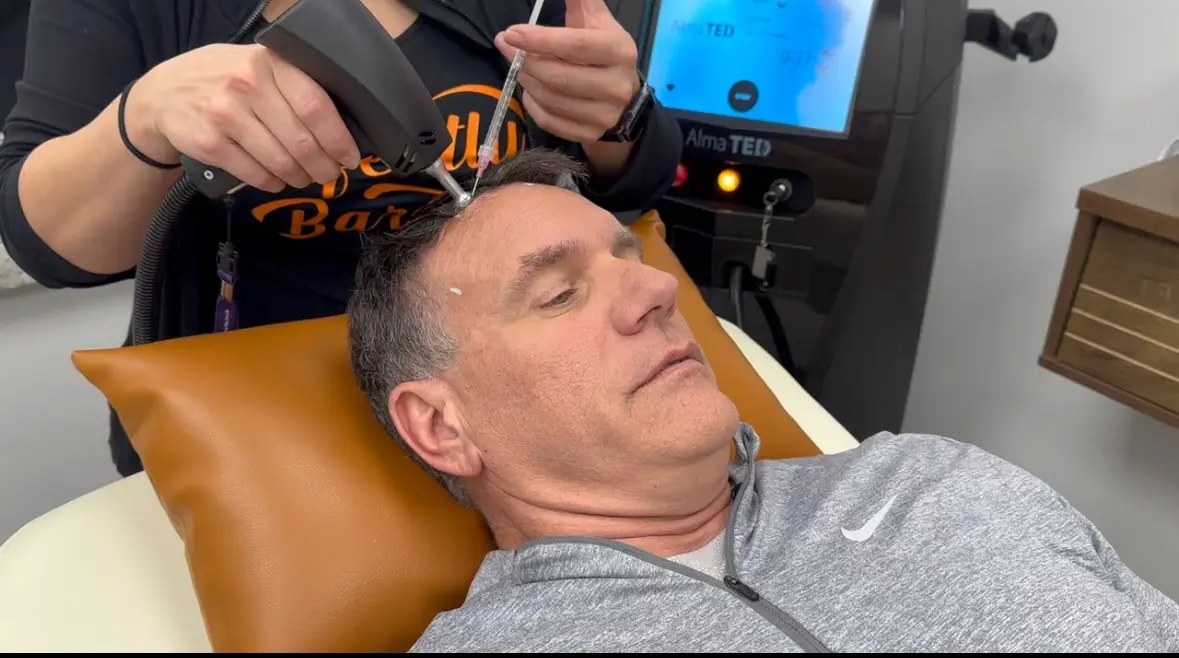
Most appointments are relatively quick and done in-office. Depending on the technology, treatment may involve an internal handpiece, an external applicator, or both. Patients often describe the sensation as warmth, pressure, or a mild prickling feeling rather than pain.
Downtime is usually limited. Many women return to normal activity the same day, though they may be advised to avoid intercourse, tampon use, or certain workouts for a short period depending on the device used. That guidance should be specific, not vague.
A series of treatments is common. One session may help, but a protocol of multiple visits often produces better, more lasting results. Maintenance treatments may also be recommended over time, especially if aging, childbirth, or hormone changes continue to affect tissue quality.
Safety, side effects, and why provider selection matters
This category should never be treated as casual, even though it is non-surgical. The tissue involved is sensitive, and the best outcome depends on correct patient selection, appropriate settings, and a provider who understands both aesthetics and medical wellness.
Temporary swelling, discharge, spotting, or sensitivity can occur depending on the treatment type. More serious complications are uncommon when care is properly delivered, but that does not mean every patient is a fit. A thorough review of symptoms, gynecologic history, medications, and recent infections or procedures is part of safe care.
Patients should also feel comfortable asking practical questions. What device is being used? What symptoms does it treat best? How many sessions are typical? What does maintenance look like? Are there reasons not to do it? Premium treatment should come with clear, evidence-based answers.
Vaginal rejuvenation non surgical vs surgery
This is not a matter of one being better in every case. It depends on the degree of concern and the result you want.
Non-surgical treatment is appealing when symptoms are mild to moderate, downtime needs to stay minimal, and the goal is improvement rather than major reconstruction. It fits well for women who want a lower-commitment option, especially if they are early in the process of noticing changes.
Surgery may be more appropriate when there is significant laxity, prolapse, or a structural issue that cannot reasonably be corrected with energy-based treatment alone. It also tends to involve more recovery and a different level of risk. For the right patient, that trade-off may be worth it. For others, it is more treatment than they need.
The role of hormones and whole-body wellness
One of the biggest mistakes in feminine wellness is treating every symptom as a skin or tissue issue. For many women, vaginal dryness, sensitivity changes, and discomfort are connected to estrogen loss, perimenopause, or broader hormonal shifts.
That is why the most thoughtful approach is often comprehensive. Device-based treatment can support tissue quality, but hormone optimization, pelvic floor therapy, and other medical wellness strategies may be just as important. If symptoms are layered, treatment should be layered too.
For patients who already value advanced medspa care, this integrated model often makes the most sense. It reflects how the body actually works rather than forcing every concern into one category.
Questions worth asking before you book
A consultation should leave you with clarity, not a sales pitch. Ask whether your symptoms are a good fit for vaginal rejuvenation non surgical treatment and what kind of improvement is realistic in your case. Ask how your age, childbirth history, menopause status, and health background may affect results.
You should also ask what success looks like. Better hydration? Less irritation? Reduced leakage? Improved confidence during intimacy? Specific goals help guide treatment choices and help you judge whether the plan is actually personalized.
For patients in Tampa and nearby areas, choosing a trusted MedSpa with expert medical providers and technology-forward treatment options can make this process feel far less intimidating. The right environment should feel private, informed, and respectful from the first conversation.
The best reason to explore this treatment is not trend-based beauty language. It is the very real desire to feel more comfortable, more confident, and more like yourself again. When that is the goal, careful, non-surgical care can be a smart place to start.