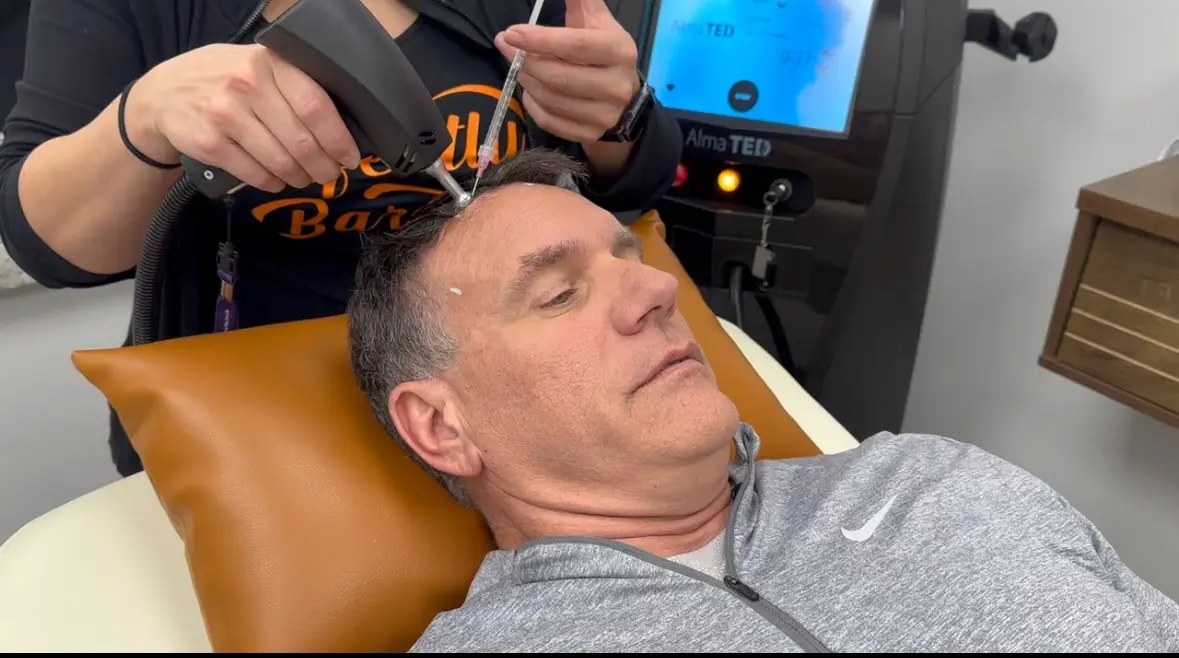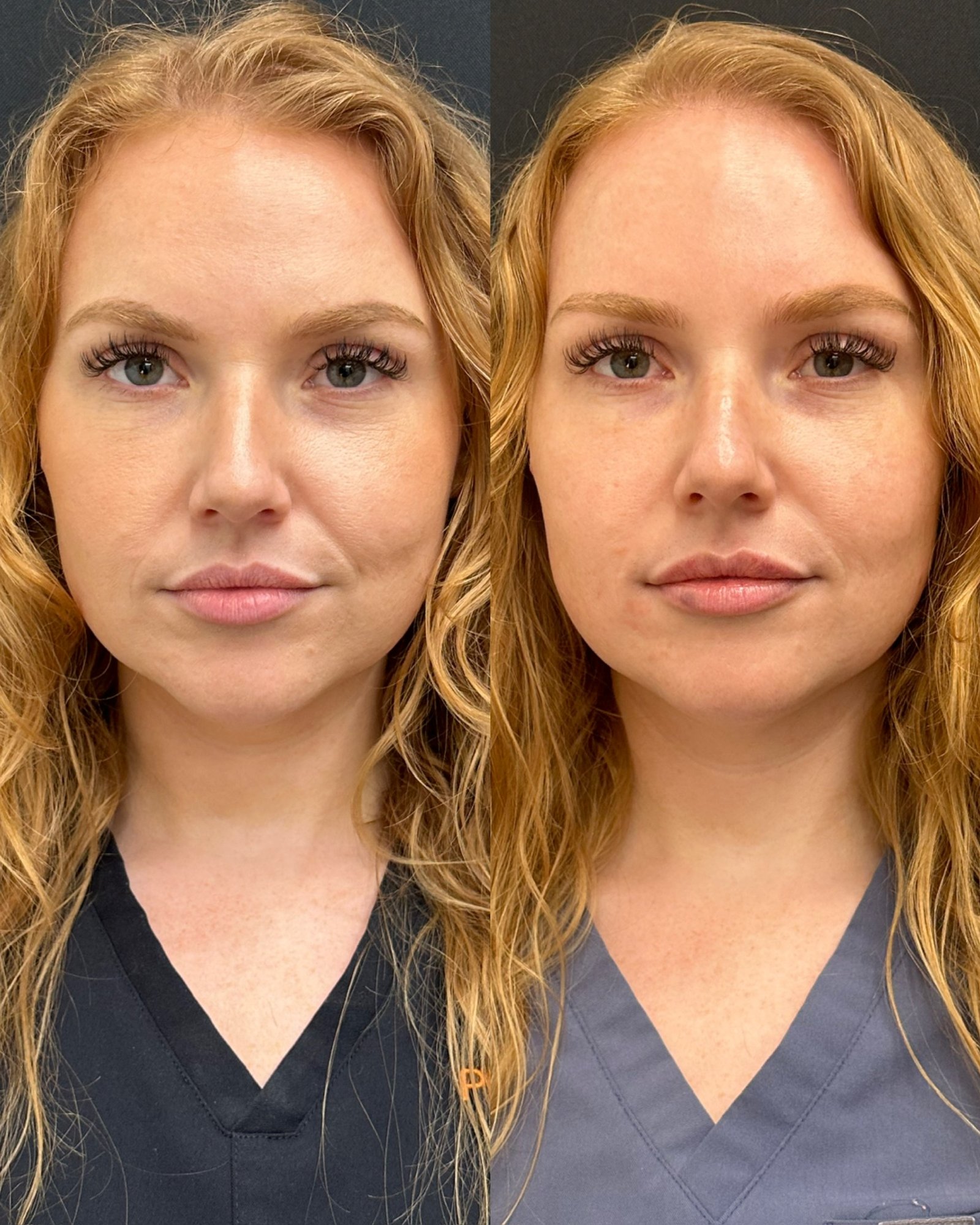
You usually notice it when your forehead starts moving the way it used to. A line that had softened begins to return, or your crow’s feet show up a little more in certain lighting. That is when most people ask the same question: how long does botox last? The short answer is about 3 to 4 months for many patients, but your personal timeline can be shorter, longer, or somewhere in between depending on the area treated, your muscle activity, your metabolism, and how precisely the product was placed.
Botox is not permanent, and that is part of its appeal. It gives you a predictable, low-downtime way to soften expression lines without committing to a lasting change. But knowing what to expect matters. If you want smooth, natural-looking results that fit your schedule and goals, it helps to understand not just the average duration, but why Botox wears off when it does.
How long does botox last in most people?
For most patients, Botox lasts around 3 to 4 months. Some people see movement return closer to 8 to 10 weeks, especially if it is their first treatment or they have very strong facial muscles. Others may still see a noticeable effect at 4 to 5 months, particularly with consistent maintenance over time.
There is an important distinction between when Botox starts to wear off and when it is fully gone. You may notice a gradual return of motion before wrinkles fully reappear. That does not mean the treatment failed. It means the neuromodulator is naturally wearing off and muscle activity is slowly returning.
This gradual fade is one reason Botox can look so natural in experienced hands. You are not likely to wake up one day and suddenly look dramatically different. The shift is usually subtle and progressive.
When Botox starts working and when it peaks
Botox does not produce instant results. Most patients begin to see a change within 3 to 5 days, with full results settling in around 10 to 14 days. If you are checking the mirror after 24 hours, you are probably too early.
That timeline matters because some people assume the treatment will last from the day of injection. In reality, there is a short ramp-up period before the full effect is visible. Once it peaks, you can better judge how well your lines have softened and how much movement remains.
For events, photos, or travel, timing matters. Booking too close to a wedding or important social event can leave you in the awkward waiting period before your best result appears.
Why Botox duration varies from person to person
The biggest reason Botox lasts differently in different people is muscle strength. Stronger, more expressive muscles tend to metabolize the effect faster. If you naturally raise your brows often, squint heavily, or have a very active forehead, your results may not last as long as someone with less repetitive muscle movement.
Metabolism also plays a role. People with faster metabolisms sometimes notice a shorter duration, though this is not an exact science. Exercise habits, stress, and body chemistry can all influence how quickly your body breaks down the product.
Dose matters too. Under-treating a strong area may lead to shorter-lasting results. That is why expert assessment matters. Botox is not a one-size-fits-all treatment. The right dose should reflect your anatomy, muscle movement, aesthetic goals, and preference for softer versus stronger correction.
Injection technique is another major factor. Precise placement by expert medical providers can improve both the look and longevity of your results. A well-planned treatment is not just about freezing motion. It is about balancing facial muscles in a way that looks polished and wears evenly.
How long does botox last by treatment area?
Different areas of the face can wear at different rates. Forehead lines often last around 3 to 4 months, but this area can be tricky because preserving some natural movement is usually part of the goal. The glabella, also called the frown lines or elevens between the brows, often responds very well and may hold a little longer in some patients.
Crow’s feet tend to last around the same range, though frequent smiling and squinting can shorten the timeline. Bunny lines on the nose, lip flip treatments, chin dimpling, and masseter slimming can all have slightly different wear patterns.
A lip flip, for example, often wears off faster than forehead Botox because the mouth is an extremely active area. Masseter Botox may last longer in some patients, sometimes closer to 4 to 6 months, because the muscle is larger and treatment goals are different.
This is why comparing your Botox to a friend’s is rarely useful. Two people can receive the same brand but have very different results depending on the area and their natural muscle patterns.
Does Botox last longer after repeated treatments?
Often, yes. With regular maintenance, many patients feel their Botox begins to last a bit longer or at least perform more consistently. That is partly because treated muscles may become trained to contract less forcefully over time.
This does not mean you will eventually need Botox only once a year. It does mean that consistent treatment can help prevent deep expression lines from becoming more etched into the skin. Many patients also notice that even when movement returns, it returns in a softer way than before they started treatment.
The trade-off is that waiting too long between appointments can let full muscle strength return, which may mean starting that cycle over again. If you like a consistently refreshed look, maintenance scheduling matters.
How to make Botox last longer
You cannot make Botox permanent, but you can help support better longevity. The first step is choosing experienced injectors who understand facial anatomy and customize your treatment rather than relying on a standard pattern.
It also helps to stay on a regular schedule. Many patients do well with treatments every 3 to 4 months, though your provider may recommend a different interval based on your response. Waiting until every bit of movement is back can make your results feel less consistent over time.
Good skin care supports the overall appearance of your results too. Botox relaxes muscle movement, but it does not replace collagen, improve pigment, or fully treat skin texture. If you want your skin to look smoother and more refreshed between injectable visits, combining Botox with services that support tone and quality can make a visible difference.
Sun protection matters more than many people realize. Botox treats dynamic wrinkles caused by movement, but sun damage contributes to static lines, laxity, and crepey texture. If the skin itself is becoming more damaged, wrinkles can remain visible even when the underlying muscle is relaxed.
What makes Botox wear off faster?
A very active lifestyle may play a role for some patients, especially those with high metabolic turnover, though research is mixed on exactly how much exercise affects duration. More reliably, strong facial expressions, stress-related tension, and underdosing are common reasons results fade sooner than expected.
Smoking, frequent sun exposure, and poor skin quality can also make it seem like Botox is not lasting, even when the product is still working. Sometimes the issue is not the neuromodulator wearing off too quickly. It is that fine lines, volume loss, or skin laxity are still present and require a more complete treatment plan.
This is where a trusted MedSpa approach can be valuable. A polished result often comes from combining the right injectable strategy with treatments that improve the skin itself, not expecting Botox to do every job on its own.
When it may be time for your next appointment
If you are seeing a gradual return of movement, noticing your expression lines come back in photos, or feeling like your face looks more tired or tense again, it is probably time to check in. Most patients benefit from re-treatment before lines are fully re-established.
That does not mean chasing a frozen look. The best Botox timing usually supports a natural, rested appearance where movement is softened, not erased. For many people, that means regular visits throughout the year instead of waiting until the effect has completely disappeared.
If your Botox seems to wear off unusually fast every time, bring that up with your provider. You may need a different dose, a different placement strategy, or a broader plan that addresses skin quality and not just muscle movement.
A better question than how long does botox last
The average duration matters, but the better question is whether your Botox is working for your goals. For some patients, 10 weeks of beautifully balanced, natural-looking softening is a great outcome. For others, the priority is stretching results as long as possible between appointments.
The best treatment plan is personal. It should reflect how expressive you are, what areas bother you most, how subtle or polished you want the result to look, and how often you are comfortable maintaining it. When Botox is done well, it does not just last a certain number of months. It fits your face, your routine, and the version of yourself you want to see in the mirror.