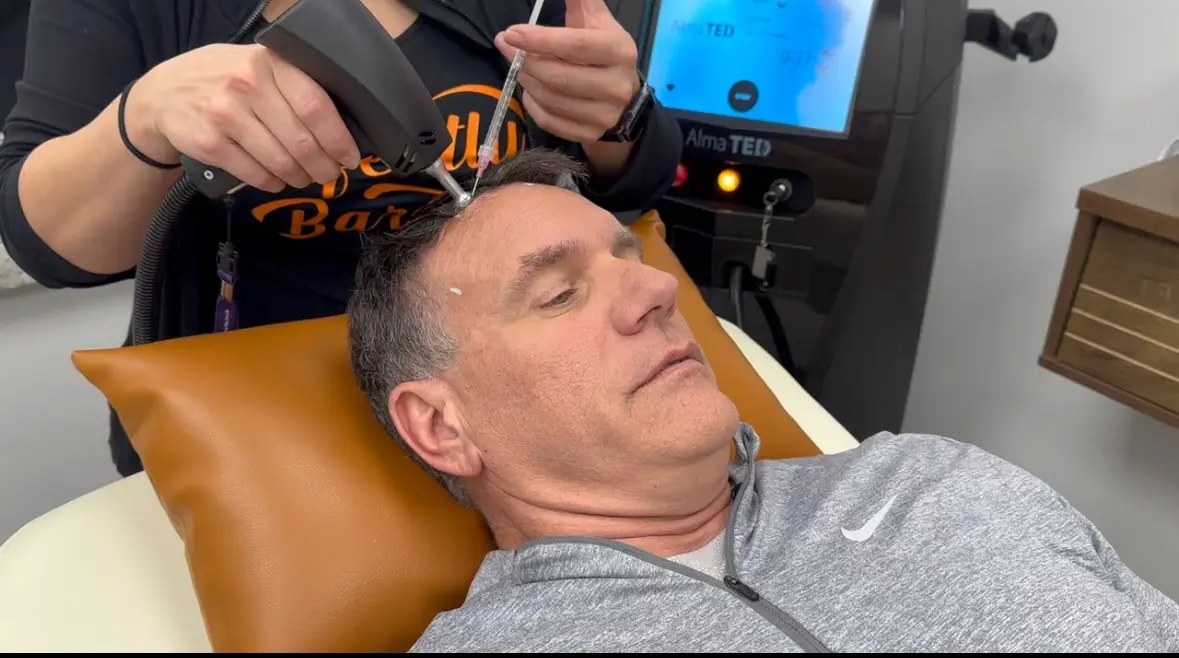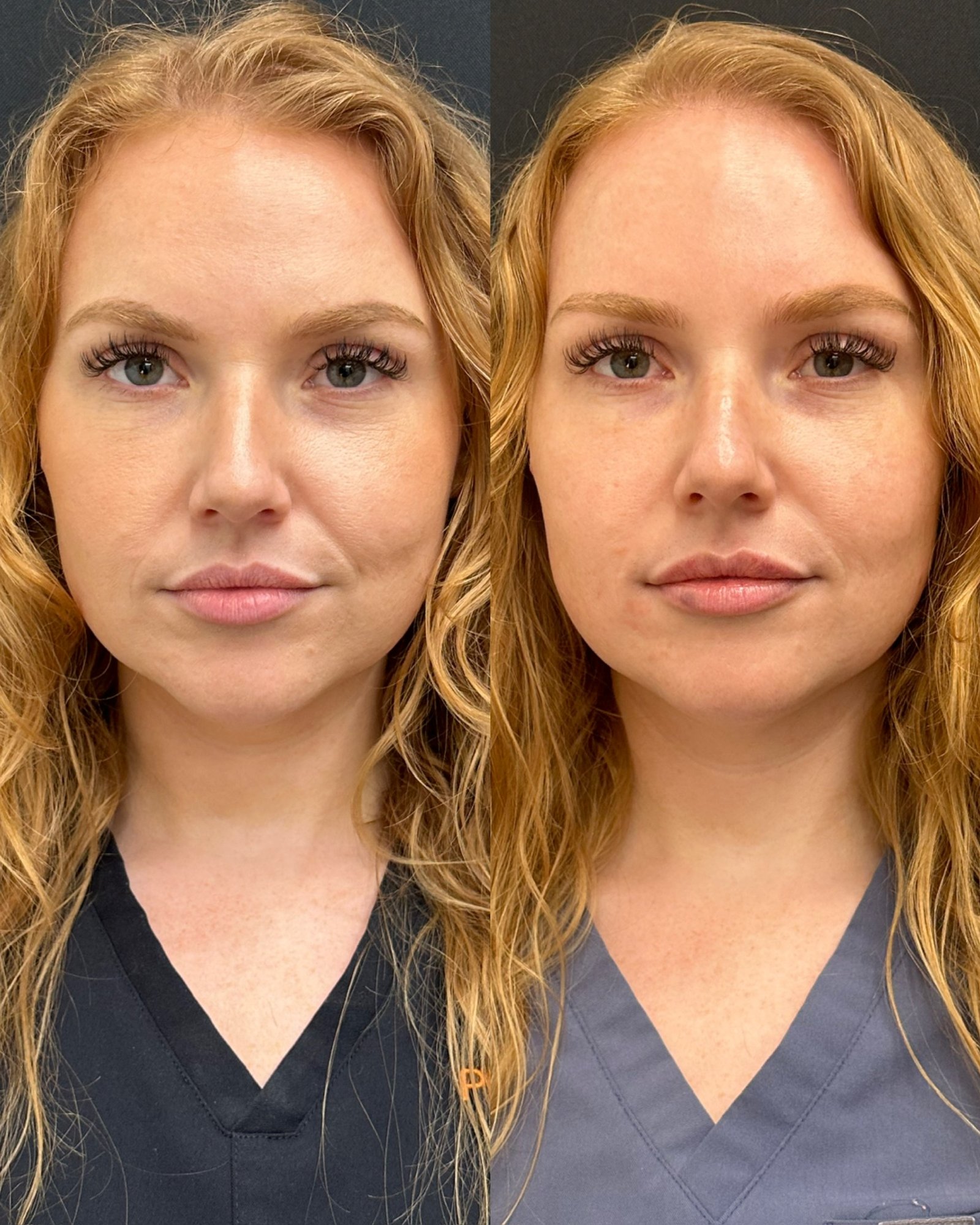
That smooth, freshly treated feeling is satisfying right after a laser session, but what you do over the next few days has a real impact on comfort and results. This guide to laser hair removal aftercare is designed to help you protect your skin, reduce irritation, and stay on track between appointments.
Laser hair removal works by delivering energy into the hair follicle while leaving the surrounding skin as undisturbed as possible. Even with advanced systems designed for comfort, your skin still needs a short recovery window. Mild warmth, pinkness, and a sunburn-like sensation can be completely normal. The goal of aftercare is not to make treatment “work better” overnight. It is to keep the skin calm so the treated follicles can do what they are supposed to do without added inflammation from heat, friction, or sun exposure.
What to expect right after treatment
Most people leave their appointment with skin that looks slightly flushed, especially in sensitive areas like the bikini line, underarms, upper lip, or neck. Small raised bumps around the follicles can also appear for a few hours. That reaction often means the follicle responded to treatment.
For many clients, those effects settle within the same day or by the next morning. If you have reactive skin, coarse hair, or treatment on a denser area such as the back or Brazilian region, you may stay pink a little longer. That does not automatically mean something is wrong. It usually means your skin needs a little more cooling, hydration, and patience.
Guide to laser hair removal aftercare: the first 24 to 48 hours
The first two days matter most. Keep the area clean, cool, and as undisturbed as possible. Use lukewarm water instead of hot water when washing, and pat the skin dry rather than rubbing it with a towel. If your provider recommends a gentle moisturizer or aloe-based soothing product, apply a thin layer to reduce dryness and heat.
This is also the time to avoid anything that adds extra warmth. Skip hot tubs, saunas, steam rooms, very hot showers, and intense workouts that leave the area overheated or sweaty. Heat can make redness last longer and may increase the chance of irritation.
Clothing choices matter more than people expect. Tight leggings, rough waistbands, and snug athletic fabrics can create friction on freshly treated skin. If you had your legs, bikini area, or underarms treated, softer and looser clothing is usually the better call for a day or two.
If the area feels warm, a cool compress can help. Keep it gentle. You do not want ice pressed directly against the skin for extended periods. A clean, cool cloth used briefly is usually enough.
Sun protection is not optional
If there is one part of laser aftercare people underestimate, it is sun exposure. Treated skin is more vulnerable after a session, and UV exposure can increase the risk of sensitivity and unwanted pigment changes. That is especially relevant in Florida, where casual sun exposure adds up fast even during errands or short drives.
For any exposed treatment area, daily broad-spectrum sunscreen is a must. Reapply if you are outdoors for extended periods. Hats, sleeves, and shade are not overkill here. They are smart protection. If your skin is already tan or recently sun-exposed, your provider may adjust timing or settings at future visits, because safety always comes before speed.
What products to avoid after laser hair removal
Freshly treated skin is not the place for strong active ingredients. For a few days, press pause on retinoids, exfoliating acids, scrubs, benzoyl peroxide, and heavily fragranced products in the treated area. These can sting, dry out the skin, or trigger unnecessary irritation.
Be careful with body washes and deodorants too. If you had your underarms treated, your usual antiperspirant may burn for a day or so. A gentle, fragrance-free option is often more comfortable until the skin settles.
This is one of those areas where timing depends on your skin and treatment area. Some people can go back to their usual routine quickly. Others do better waiting several days before reintroducing active products. If you are ever unsure, ask your provider what to restart and when.
Shaving, shedding, and what not to do
One of the most common misunderstandings is what happens to the hair after treatment. Laser does not make every treated hair disappear immediately. Over the next one to three weeks, many of those hairs begin to shed. It can look like growth, but often it is actually treated hair working its way out of the follicle.
That is why tweezing or waxing between sessions is not recommended. Those methods remove the follicle target that the laser needs for future treatments. Shaving, on the other hand, is typically fine once the skin is no longer irritated. If you need to remove visible hair, shaving is the preferred option.
Try not to scrub at the skin to force shedding along. It is tempting, especially when the treated hair starts to look patchy, but aggressive exfoliation too soon can leave the skin more inflamed. Once your provider says your skin is ready, gentle exfoliation may help the shedding process. The key word is gentle.
A few areas need extra attention
Facial laser aftercare is usually straightforward, but the skin is more visible, so even mild redness can feel like a bigger deal. Keep makeup minimal if the skin feels warm or sensitive, and use gentle skincare only. If you had treatment around the upper lip or chin, avoid picking or over-treating the area with acne products.
Underarms and bikini treatments tend to be more affected by friction, sweat, and shaving. Give these areas extra breathing room after your session. If you are prone to ingrown hairs, do not assume you should exfoliate immediately. Most of the time, waiting for the skin to calm first leads to a better outcome.
Larger body areas like legs, chest, or back may feel a bit warmer simply because more skin was treated. Cooling and loose clothing go a long way here. If you exercise regularly, this is one appointment where modifying your routine for a day can be worth it.
When to call your provider
A little redness is expected. Significant blistering, persistent swelling, worsening discomfort, or skin changes that do not improve should be checked promptly. The same goes for any crusting or pigment changes that seem unusual.
It is always better to ask early than to guess. Expert medical providers would rather reassure you quickly or adjust your aftercare than have you push through symptoms that need attention. Laser hair removal has an excellent safety profile when performed correctly, but aftercare is still part of treatment, not an afterthought.
Why aftercare affects long-term results
The best laser hair removal plans are built over a series of treatments timed to the hair growth cycle. Aftercare supports that plan by helping your skin recover well enough to stay consistent with appointments. If you trigger unnecessary irritation after one session, you may need to delay the next. That can slow progress.
This is also where treatment quality matters. Premium technology and customized settings can make the experience more comfortable, but even high-performance platforms need the right follow-through at home. In a trusted MedSpa setting, aftercare is part of the overall strategy, not a printed handout handed over at the end.
At Perfectly Bare Laser, comfort-focused laser technology like Alma Soprano is paired with personalized guidance because results come from both the treatment itself and what happens between sessions. Skin type, treatment area, hair density, recent sun exposure, and your usual skincare routine all shape the best aftercare plan.
The best mindset between appointments
Think of laser hair removal as a process, not a single event. Some sessions feel easier than others. Some areas shed quickly, while others take more time. That variation is normal. What matters most is protecting the skin, following the plan your provider gives you, and resisting the urge to overdo products or self-fix every little reaction.
Good aftercare is simple, but it is not casual. Be gentle with heat, consistent with sun protection, and realistic about the timeline. Smooth skin is the goal, and calm skin is how you get there.
If your skin feels like it needs a little extra care after treatment, that is not a setback. It is just your cue to slow down, keep things gentle, and let the technology do its work.