A melasma patch can look noticeably darker after a single beach weekend, a new skincare product, or a month of hormonal changes. That unpredictability is frustrating, especially when you have invested in quality skincare or professional treatments. So, what causes melasma flare ups? Usually, it is not one mistake or one exposure. Melasma is a pigment condition influenced by several signals at once, including UV light, visible light, heat, hormones, inflammation, and genetics.
The good news is that identifying your personal triggers can make melasma far more manageable. With consistent protection and an expert-guided treatment plan, many people can reduce the appearance of discoloration and help prevent frequent setbacks.
What causes melasma flare ups?
Melasma occurs when melanocytes, the cells responsible for pigment production, become overly active. The result is often symmetrical brown, gray-brown, or tan patches across the cheeks, forehead, upper lip, chin, or jawline. It is more common in women and in people with medium to deeper skin tones, but anyone can develop it.
A flare-up happens when those pigment-producing cells receive a stimulus that tells them to make more melanin. Sun exposure is the most familiar trigger, but it is rarely the only factor. The same person may tolerate a short time outdoors in one season and see a significant flare during a stressful, hot Florida summer or while taking a hormone-related medication.
1. UV exposure and visible light
Ultraviolet exposure is a major melasma trigger. Even a brief amount of unprotected sun can deepen existing patches and encourage new pigment to form. This is why melasma often becomes more apparent during spring and summer, after vacations, or when outdoor routines change.
Visible light also matters. This includes the light you can see from the sun, particularly high-energy visible light. For many people with melasma, tinted mineral sunscreen containing iron oxides offers an added layer of defense because it helps protect against both UV radiation and visible light. Regular sunscreen is still valuable, but the right formula can make a meaningful difference for pigmentation-prone skin.
Sun protection needs to be practical enough to use every day. Apply a broad-spectrum SPF 30 or higher in the morning, use enough product to cover the face and neck, and reapply when you are outdoors, sweating, swimming, or sitting near windows for extended periods. A wide-brim hat and sunglasses provide helpful backup, not just beach-day accessories.
2. Heat and hot environments
Heat can aggravate melasma even without a sunburn. Increased temperature may stimulate pigment activity and worsen facial redness or inflammation, both of which can make uneven tone more visible. Tampa-area clients often notice this pattern after outdoor workouts, pool days, hot yoga, sauna use, or long stretches in humid weather.
This does not mean you need to avoid exercise or summer altogether. It means planning around your skin. Exercise in cooler hours when possible, use shade, cool down promptly, and keep sunscreen with you. If you notice that a particular heat exposure repeatedly darkens your melasma, it is worth discussing with your provider as part of your prevention strategy.
3. Hormonal shifts
Hormones are one of the reasons melasma can feel so persistent. Pregnancy-related melasma is common, which is why it is sometimes called the mask of pregnancy. Birth control pills, hormone therapy, fertility treatments, and natural hormonal changes can also contribute.
Hormonal triggers do not mean you should stop prescribed medication on your own. Instead, discuss the pattern with the clinician managing your medication and with a qualified aesthetic or dermatology provider. Sometimes the best approach is to strengthen pigment prevention and use treatments that support more even skin tone while your hormonal needs are being addressed.
4. Skin irritation and inflammation
A burning, stinging, overly dry skincare routine can lead to more than temporary discomfort. Inflammation can signal melanocytes to produce excess pigment, particularly in skin already prone to discoloration. This is called post-inflammatory hyperpigmentation, and it can overlap with melasma.
Common culprits include overusing exfoliating acids, retinoids, scrubs, benzoyl peroxide, fragranced products, or at-home peels. Acne breakouts, eczema, waxing irritation, and even aggressive facial treatments can have a similar effect. More intensity is not always more effective when treating pigment.
If your skin is red, flaky, sore, or persistently tight, simplify your routine. A gentle cleanser, moisturizer, and daily sunscreen are a smart reset while you seek professional guidance. Introduce active products gradually rather than changing five things at once.
5. The wrong treatment timing or settings
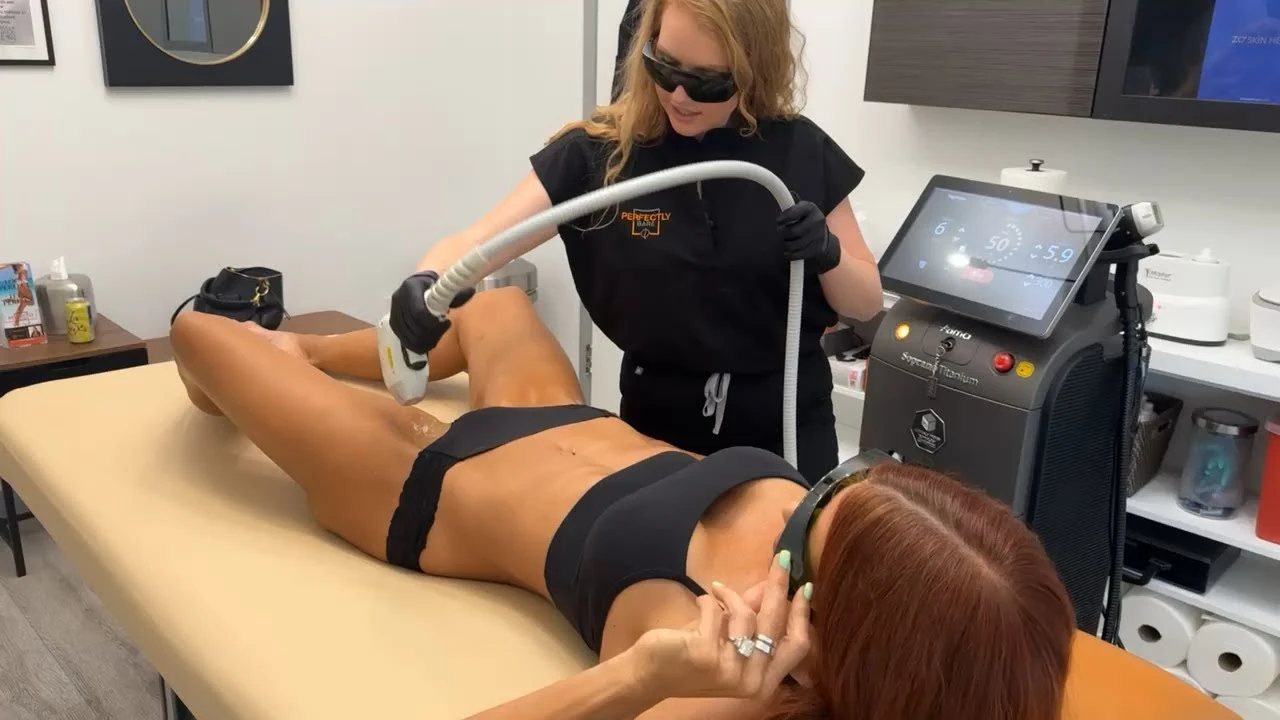
Professional treatment can be highly effective for discoloration, but melasma requires precision. Procedures that create too much heat or inflammation can worsen pigment if they are not selected and customized for your skin type, melasma pattern, and current skin condition.
This is why a consultation matters. The ideal plan may include medical-grade topical care, carefully selected chemical peels, or advanced light-based technology such as Sciton BBL, HALO, Alma ClearLift, or other treatments chosen at conservative, skin-appropriate settings. The right device is only one part of the decision. Provider expertise, timing, treatment spacing, and disciplined aftercare all influence the outcome.
For some clients, a gentler series with gradual improvement is the safer choice over an aggressive one-time correction. Melasma responds best to consistency, not shortcuts.
6. Genetics and skin tone
If close relatives have melasma, you may have a stronger predisposition to it. Genetics affect how readily your skin produces pigment in response to sun, heat, hormones, or inflammation. Deeper skin tones can also be more susceptible to pigment changes after irritation.
This is not something you caused, and it is not a reflection of poor skincare. It simply means your plan should focus on prevention as much as correction. People with recurrent melasma often get the best results when they treat maintenance as an ongoing part of skin health.
7. Certain medications and medical factors
Some medications can increase photosensitivity or contribute to pigmentation changes. Certain antibiotics, anti-seizure medications, anti-inflammatory drugs, and hormone-related medications may be relevant, depending on the individual. Thyroid disease has also been associated with melasma in some cases.
Bring a complete medication and supplement list to your consultation, and let your medical provider know if pigmentation changes appeared after starting something new. A sudden, widespread, itchy, raised, or changing dark area should be evaluated medically rather than assumed to be melasma.
8. Inconsistent maintenance after improvement
Melasma often improves before it is fully stable. A professional treatment series may fade visible patches, but unprotected sun exposure, skipped sunscreen, or stopping your maintenance products too soon can allow pigment to return. This is not treatment failure. It reflects the chronic, trigger-sensitive nature of melasma.
Think of maintenance as protecting your investment. The right routine may change with the seasons, pregnancy plans, medication changes, or your level of outdoor activity. Your provider can adjust it as your skin changes.
How to calm a melasma flare without making it worse
When a flare appears, resist the urge to scrub, peel, or layer stronger products. Start by reducing inflammation and tightening your daily protection. Use gentle, fragrance-free basics, wear broad-spectrum sunscreen every morning, reapply outdoors, and minimize direct heat and sun exposure while the skin settles.
Next, schedule a professional skin assessment. At Perfectly Bare Laser, an expert provider can evaluate whether the discoloration looks consistent with melasma, post-inflammatory hyperpigmentation, sun damage, or a combination of concerns. That distinction guides the treatment plan and helps avoid therapies that may be too aggressive for reactive skin.
A customized approach may combine pigment-supporting skincare with professionally selected treatments and a realistic maintenance schedule. Results are usually gradual, and that is often a positive sign: controlled progress helps protect skin integrity while improving tone over time.
Melasma does not require you to hide from the sun or accept uneven tone as permanent. It does require a more intentional relationship with light, heat, hormones, and skincare. Once you understand your triggers, expert care can help you build a plan that supports clearer-looking, more confident skin through every season.