Brown spots that seem to appear overnight, uneven tone that makeup cannot fully cover, a rougher texture across the cheeks or chest – these are often cumulative signs of UV exposure, not simply signs of getting older. The best treatments for sun damage do more than brighten the surface. They target the pigment, redness, fine lines, and collagen changes that make skin look less clear and less resilient over time.
For Florida skin, treatment selection matters. A procedure that is too aggressive for your skin type, schedule, or level of sun exposure can create unnecessary downtime and, in some cases, worsen pigment concerns. The right approach starts with an expert assessment of what is actually showing up in your skin and a realistic plan for improving it.
What Sun Damage Looks Like Below the Surface
Sun damage is not one concern. It can show up as freckles and sunspots, diffuse brown discoloration, redness and broken capillaries, crepey texture, enlarged pores, fine lines, or a dull complexion that no longer reflects light evenly. On areas that receive years of exposure, such as the face, neck, chest, shoulders, and hands, several of these concerns often occur together.
UV exposure increases pigment production and breaks down collagen and elastin. That is why a topical brightening product may help with mild discoloration yet do little for rough texture or etched lines. It is also why the most effective plans often combine daily prevention with a technology-based treatment that reaches deeper than skincare alone.
Before treating a new, changing, bleeding, or irregular spot, have it evaluated by a medical professional. A cosmetic sun-damage treatment is not a substitute for skin cancer screening.
Best Treatments for Sun Damage by Concern
There is no single best procedure for every type of photodamage. The ideal treatment depends on your skin tone, the depth of pigment, the amount of redness, your tolerance for downtime, and whether you want a gradual refresh or a more dramatic resurfacing result.
BBL for Brown Spots, Redness, and Uneven Tone
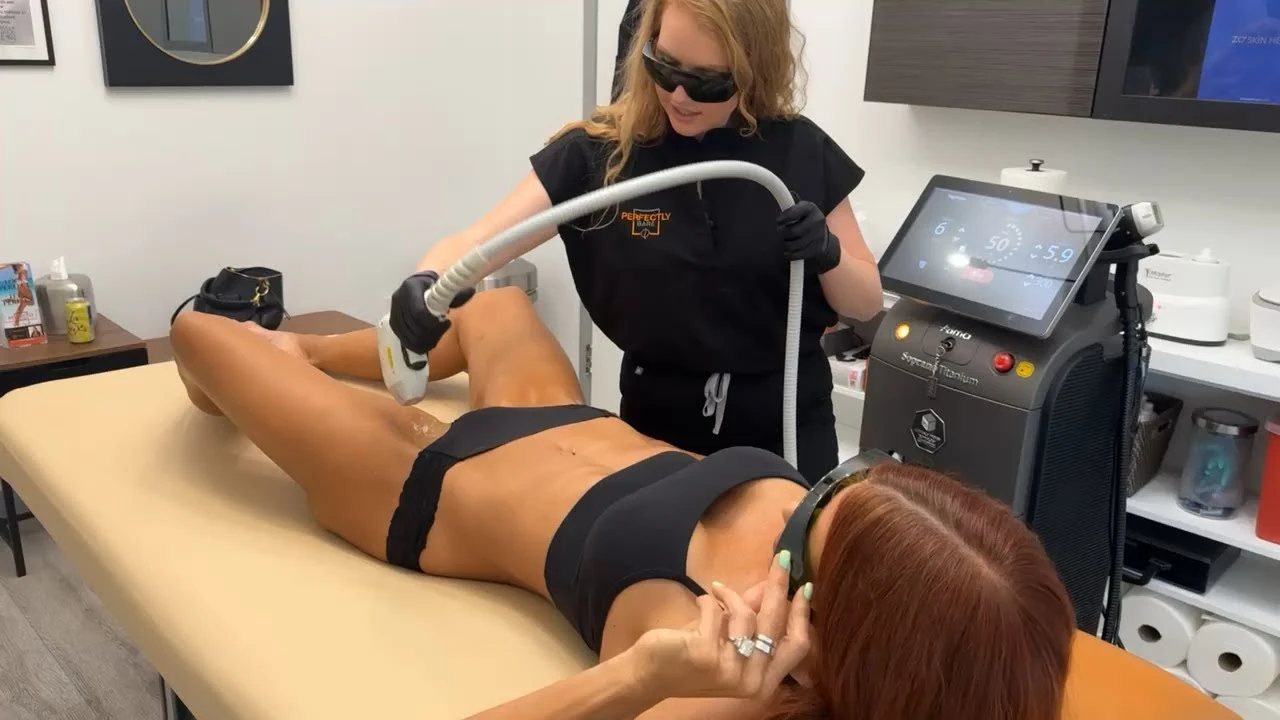
Sciton BBL, or BroadBand Light, is often an excellent choice when sun damage is most visible as scattered brown spots, freckles, facial redness, or an overall uneven complexion. It uses targeted light energy to address pigment and vascular concerns while encouraging a clearer, more even-looking tone.
After treatment, darker spots may temporarily deepen before flaking away or fading. This is a normal part of the process for many clients. Treatments are typically quick, and downtime is usually limited, although skin may look pink or feel warm shortly afterward.
BBL works especially well for clients who want visible improvement without taking significant time away from work or social plans. A series may be recommended for diffuse damage, followed by maintenance sessions to help preserve results. It is not the best stand-alone answer for deeper wrinkles or significant textural changes, which is where resurfacing may offer more value.
HALO for Deeper Pigment, Texture, and Fine Lines
HALO is a hybrid fractional laser that combines ablative and non-ablative wavelengths. In practical terms, it can address multiple layers of sun damage in one treatment: stubborn discoloration, rough texture, enlarged pores, fine lines, and early laxity.
This is often the stronger option for someone who sees more than a few surface spots and wants a meaningful overall skin reset. Expect a more noticeable recovery period than with BBL. Redness, swelling, a sandpaper-like texture, and visible bronzing can occur as the skin renews. Most clients plan around several days of social downtime, with results continuing to develop as collagen remodeling progresses.
HALO is not necessarily the right first choice for every client. If your priority is minimal downtime or your concern is primarily redness and superficial pigment, BBL may be the more efficient starting point. For deeper sun damage, however, the added resurfacing power can make HALO a worthwhile investment.
ClearLift for Gentle Collagen Renewal
Alma ClearLift uses a non-ablative laser approach to support collagen remodeling with little to no visible downtime. It can be a smart fit for clients who want to improve early signs of photoaging, fine lines, skin quality, and mild uneven tone but cannot accommodate peeling or extended recovery.
Because ClearLift is gentler than aggressive resurfacing, results tend to build through a treatment series. Think of it as a strategic, low-disruption option rather than a one-appointment transformation. It can also complement pigment-focused treatments when the goal is stronger, smoother-looking skin along with a more even complexion.
Morpheus8 for Sun Damage With Laxity and Texture Changes
When sun damage is accompanied by crepey texture, acne scarring, enlarged pores, or early skin laxity, Morpheus8 may be part of the conversation. This treatment combines microneedling with radiofrequency energy to remodel collagen below the surface.
Morpheus8 does not target visible brown pigment in the same way BBL does, so it is usually not the first choice for isolated sunspots. Its strength is improving the structure of the skin: texture, firmness, and the fine lines that become more pronounced after years of UV exposure. Combining a collagen-remodeling treatment with a pigment-focused modality can create a more complete result when both concerns are present.
Professional Skincare for Ongoing Correction
Device-based treatments can create significant change, but skincare protects and extends that investment. A provider may recommend a personalized regimen that includes daily broad-spectrum sunscreen, antioxidant support, retinoids or retinol when appropriate, and pigment-correcting ingredients.
Sunscreen is not optional after a sun-damage treatment. In Tampa and throughout the Gulf Coast, consistent UV protection is what helps prevent new spots from replacing the ones you have just treated. Choose a broad-spectrum SPF 30 or higher, apply enough to cover exposed skin, and reapply when you are outdoors, sweating, or near water.
Retinoids can improve cell turnover and support collagen over time, but they can also cause irritation if introduced too quickly. Active ingredients should be selected around your treatment plan, particularly before and after laser procedures, rather than layered on without guidance.
Choosing the Right Treatment Plan
A personalized consultation should look beyond the name of the device. Your provider should assess the type and depth of pigment, your Fitzpatrick skin type, history of melasma or post-inflammatory hyperpigmentation, medications, previous treatments, and your ability to avoid direct sun during recovery.
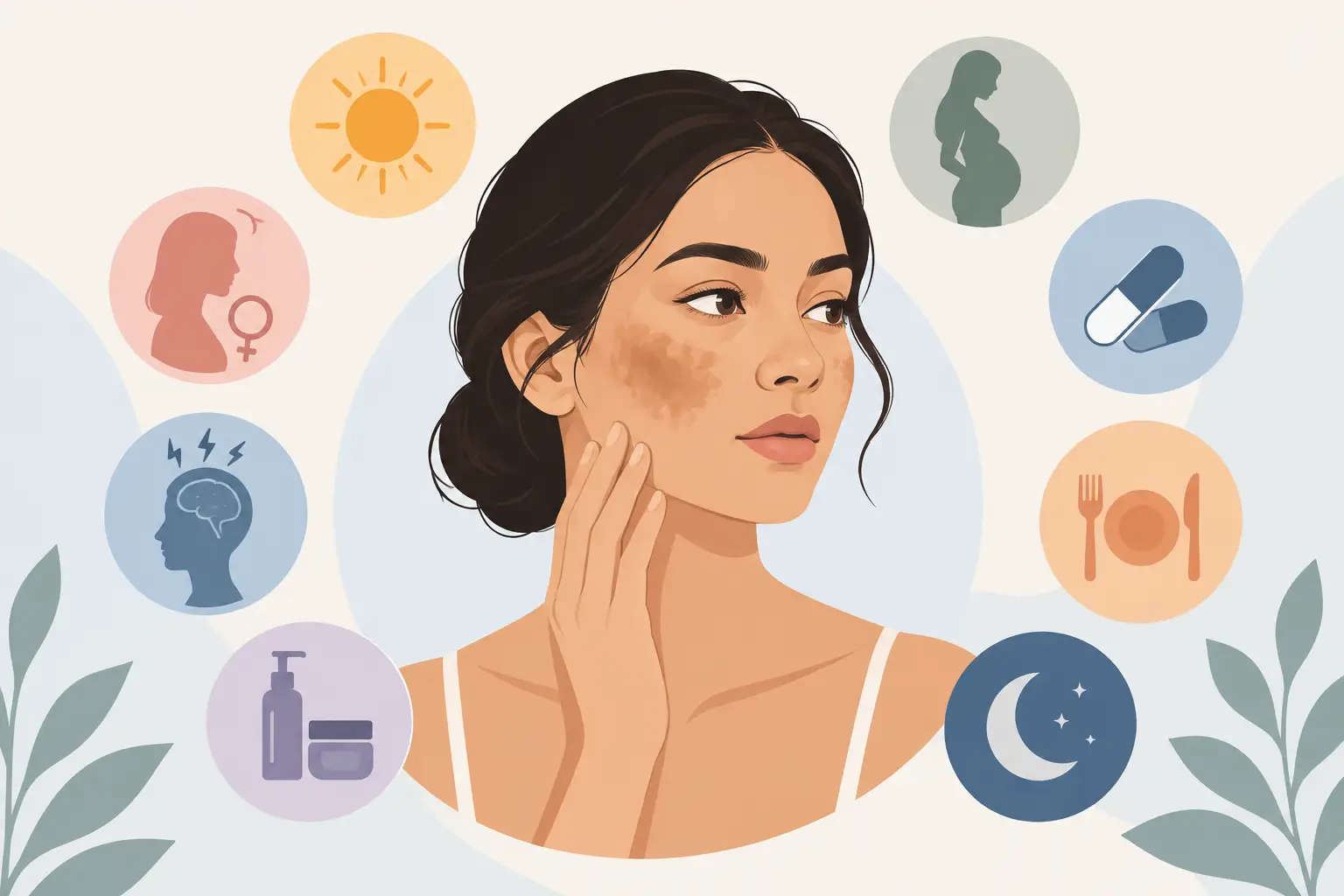
Melasma deserves special care. Because it is influenced by heat, hormones, and UV exposure, aggressive energy treatments may not always be appropriate. Some clients benefit more from a conservative plan centered on medical-grade skincare, strict sun protection, and carefully selected treatments. The goal is not simply to treat pigment, but to avoid triggering more of it.
Timing matters, too. Laser and light treatments are often easiest to schedule when you can minimize intentional sun exposure. That does not mean Florida residents need to wait for perfect weather. It means planning realistically: no tanning, no beach weekend immediately after treatment, and diligent sunscreen every day.
At Perfectly Bare Laser, expert providers can build a plan around your skin condition, comfort level, and desired downtime. Some clients do best with a BBL series and consistent skincare. Others benefit from HALO resurfacing followed by maintenance treatments. The best plan is the one that treats your actual concerns while fitting your lifestyle well enough to complete it.
What Results Can You Expect?
Improvement is often gradual, particularly with collagen-focused treatments. Brown spots may look darker before they clear, redness can settle over days, and smoother texture may continue to emerge for weeks or months as collagen renews. This is normal and one reason professional guidance matters.
No treatment can erase every year of sun exposure or permanently stop new damage. What it can do is significantly improve clarity, texture, and radiance while helping skin look healthier and more even. Protecting those results with sunscreen, shade, and a consistent maintenance plan is part of achieving real, visible results.
The most rewarding sun-damage treatment is not always the strongest one. It is the one selected for your skin, performed with the right technology and expertise, and supported by the daily habits that keep your renewed complexion looking its best.