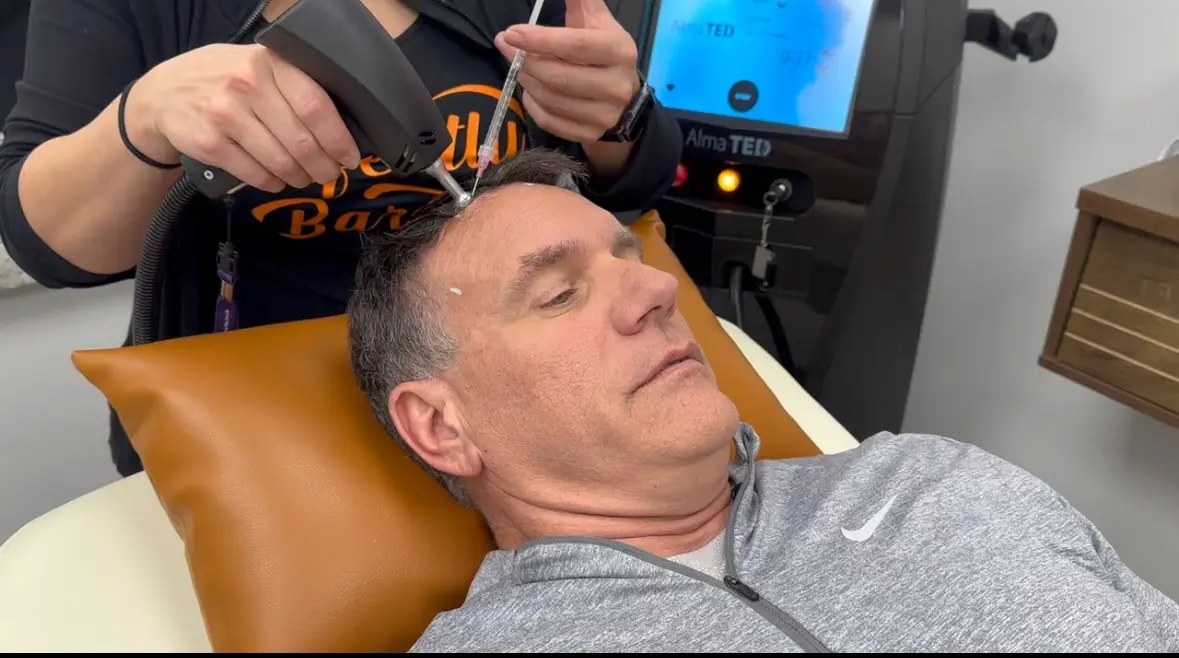
Loose skin rarely shows up all at once. It starts with a softer jawline, makeup settling differently around the mouth, or that crepey texture under the eyes that seems more obvious in bright light. When patients ask about the best non surgical skin tightening, they are usually not asking for a trend. They want real improvement, minimal downtime, and a treatment plan that makes sense for their skin, age, and goals.
That is the right way to approach it, because skin tightening is not one-size-fits-all. The best treatment for mild laxity in your 30s is often different from the best treatment for more advanced sagging in your 50s or 60s. Device choice matters. Provider skill matters. And just as important, so does understanding what non-surgical technology can and cannot do.
What actually makes skin look loose
Skin laxity comes from a mix of collagen loss, elastin breakdown, shifting fat pads, and repetitive facial movement over time. Sun exposure accelerates all of it. Weight loss, genetics, and hormonal changes can also make the skin look thinner or less supported.
That is why tightening treatments focus on stimulating collagen remodeling in the deeper layers of skin. The goal is not to pull skin tight in a dramatic way. The goal is to rebuild support gradually so the skin looks firmer, smoother, and more lifted over time.
Best non surgical skin tightening treatments to know
If you are comparing options, the strongest non-surgical treatments usually fall into three categories: radiofrequency, fractional resurfacing, and light-based collagen stimulation. Each works differently, and each has a place depending on the concern being treated.
Radiofrequency microneedling for deeper remodeling
For many patients, radiofrequency microneedling is one of the best non surgical skin tightening options because it treats texture and laxity at the same time. A device like Morpheus8 combines microneedling with radiofrequency energy, delivering controlled heat beneath the skin where collagen remodeling happens.
This makes it especially useful for early jowling, mild to moderate lower-face laxity, lines around the mouth, and crepey skin on the neck. It can also improve acne scarring and enlarged pores, which is a major advantage if you want more than just tightening.
The trade-off is that results are not instant. You may see some early improvement, but the more meaningful changes develop over several weeks as collagen production increases. Most patients do best with a series, and stronger settings can come with a few days of redness, swelling, or a grid-like texture during healing.
Fractional skin resurfacing for texture plus firmness
Not all loose-looking skin is truly sagging. Sometimes the issue is surface damage, thinning, and poor texture that exaggerate laxity. Fractional resurfacing devices such as HALO or Opus can be very effective here because they improve skin quality while also stimulating collagen.
This approach works well for patients dealing with sun damage, fine lines, uneven tone, and mild looseness. If your skin looks tired, rough, or aged rather than significantly droopy, resurfacing may create the tighter, fresher look you are after.
The nuance is that resurfacing is often better for skin quality than for heavier structural laxity. If you have a visibly sagging jawline or looser neck skin, resurfacing alone may not be enough. In those cases, combining resurfacing with a deeper tightening technology often produces a better result.
Gentle laser tightening for subtle refresh
For patients who want minimal downtime and a more comfortable treatment experience, non-ablative laser options such as ClearLift can be appealing. These treatments heat the dermis without damaging the skin surface, encouraging collagen production gradually.
They are ideal for mild laxity, early signs of aging, and maintenance. They are not usually the strongest answer for advanced skin looseness, but they can be excellent for patients who want visible improvement without a more aggressive recovery.
This is often where customization matters most. A subtle laser treatment may be the right choice for someone in their 30s who wants prevention and refinement. That same treatment may feel underwhelming for someone hoping to correct years of skin laxity in the lower face.
Which treatment is best for your area of concern?
The face, neck, and body do not all respond the same way, so the best non surgical skin tightening plan should match the anatomy.
For the jawline and lower face, radiofrequency microneedling is often a top choice because it can target deeper tissue and improve definition. For the cheeks and under-eye area, gentler laser-based collagen stimulation may be more appropriate, especially where thinner skin requires a careful approach.
For the neck, results depend on the degree of laxity. Mild crepiness and early looseness can respond well to collagen-stimulating treatments, but heavier neck sagging may need a combination strategy and realistic expectations. On the body, especially after weight loss, non-surgical tightening can improve skin quality, but it will not replicate the result of surgery when excess skin is significant.
The biggest mistake people make
The most common mistake is choosing based on hype instead of diagnosis. Patients often come in asking for one specific device because they saw it online, but the better question is why their skin looks loose in the first place.
If volume loss is the real issue, tightening alone may not restore balance. If sun damage is making the skin appear aged and thin, resurfacing may matter more than aggressive tightening. If the laxity is advanced, a non-surgical treatment may still help, but it should be framed as improvement, not replacement for surgery.
That does not make non-surgical treatment less worthwhile. It just means the best results happen when the plan is honest and tailored.
What results should you realistically expect?
The right treatment can absolutely create firmer, smoother, more refined skin. You may notice a more defined jawline, softer lines, improved texture, and better skin bounce. For many patients, that is exactly the level of change they want – noticeable, natural, and achieved without surgery or extended downtime.
But realistic expectations are essential. Non-surgical tightening does not remove large amounts of extra skin. It does not produce the same dramatic lift as a facelift or neck lift. What it can do very well is slow visible aging, improve mild to moderate laxity, and help you maintain a fresher appearance with less interruption to daily life.
Results also build over time. Collagen remodeling is gradual, so the final outcome often looks better at two to three months than it does in the first two weeks. Maintenance treatments are usually part of the process, especially if you want to preserve results long term.
How to choose the best provider, not just the best device
A premium device matters, but the treatment plan behind it matters more. Skin tightening is highly technique-dependent. Depth settings, treatment intensity, pass pattern, and the ability to combine modalities safely all influence your outcome.
That is why provider expertise should be a major part of your decision. A trusted MedSpa with expert medical providers can assess whether your concern is laxity, volume loss, texture, pigmentation, or a mix of several factors. From there, the plan can be personalized instead of forced into a one-treatment answer.
At a technology-forward practice like Perfectly Bare Laser, that kind of customization is what separates a generic treatment from a result-driven one. The right platform is selected because it fits your skin, not because it happens to be the only option available.
Is non-surgical skin tightening worth it?
For the right patient, yes. It is worth it when your goals are clear, your expectations are realistic, and your treatment is matched to the severity of your laxity. It is especially appealing for patients who want visible rejuvenation without surgery, scars, or a long recovery.
It may be less satisfying if you are hoping for dramatic correction from a single session, or if you have significant sagging that really falls into surgical territory. That is not a failure of the technology. It is simply a matter of choosing the right tool for the right level of change.
The most effective path is usually not asking which treatment is best in general. It is asking which treatment is best for your skin right now. When that question is answered well, non-surgical tightening can be one of the smartest investments you make in how your skin ages.