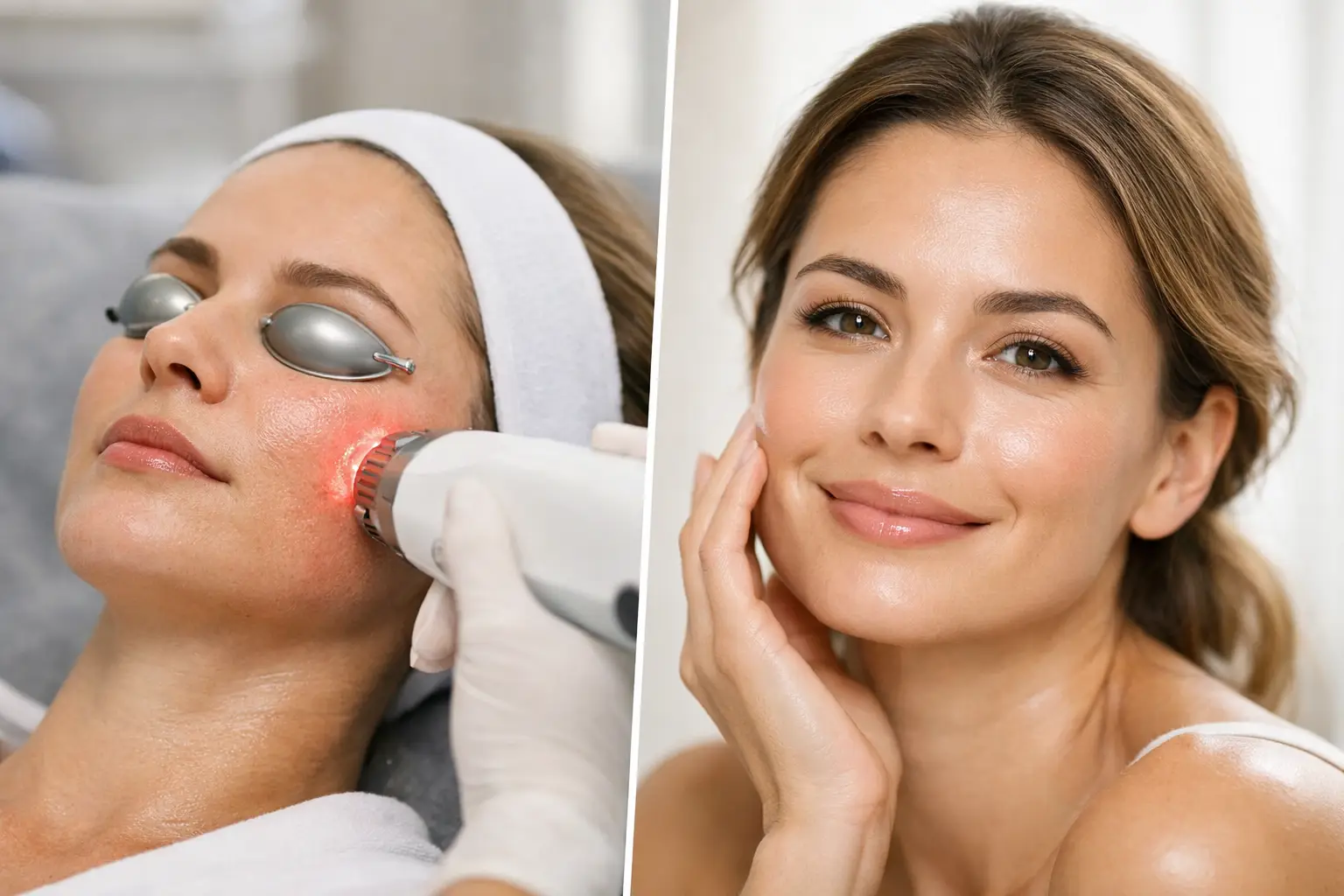
Shaving before a beach weekend, planning around waxing appointments, and dealing with ingrown hairs can make unwanted hair feel like a constant maintenance project. Laser hair removal Tampa clients choose should offer more than a quick appointment: it should provide a personalized plan, advanced technology, and clear guidance on what real, long-term reduction looks like.
At Perfectly Bare Laser, treatments are designed around the areas you want to treat, your skin and hair characteristics, and your comfort level. The goal is smoother-looking skin with less daily effort, supported by expert medical providers and technology built for efficient, comfortable sessions.
How laser hair removal works
Laser hair removal uses targeted light energy to heat the pigment in the hair shaft and disrupt the follicle’s ability to grow new hair. The treatment works best when hair is in its active growth stage, called the anagen phase. Because individual hairs move through growth cycles at different times, one treatment cannot reach every follicle effectively.
That is why a series is essential. Each session treats the hairs that are actively growing at that time, and repeat visits help address new cycles as they emerge. Most clients see a gradual reduction in hair density and thickness over a course of treatments, rather than an overnight change.
The most appropriate treatment plan depends on the body area, hair growth pattern, hormones, skin tone, hair color, and your response to treatment. Underarms and bikini areas, for example, may respond on a different schedule than the face, legs, or back. A reputable consultation should set realistic expectations before you begin.
Why technology makes a difference
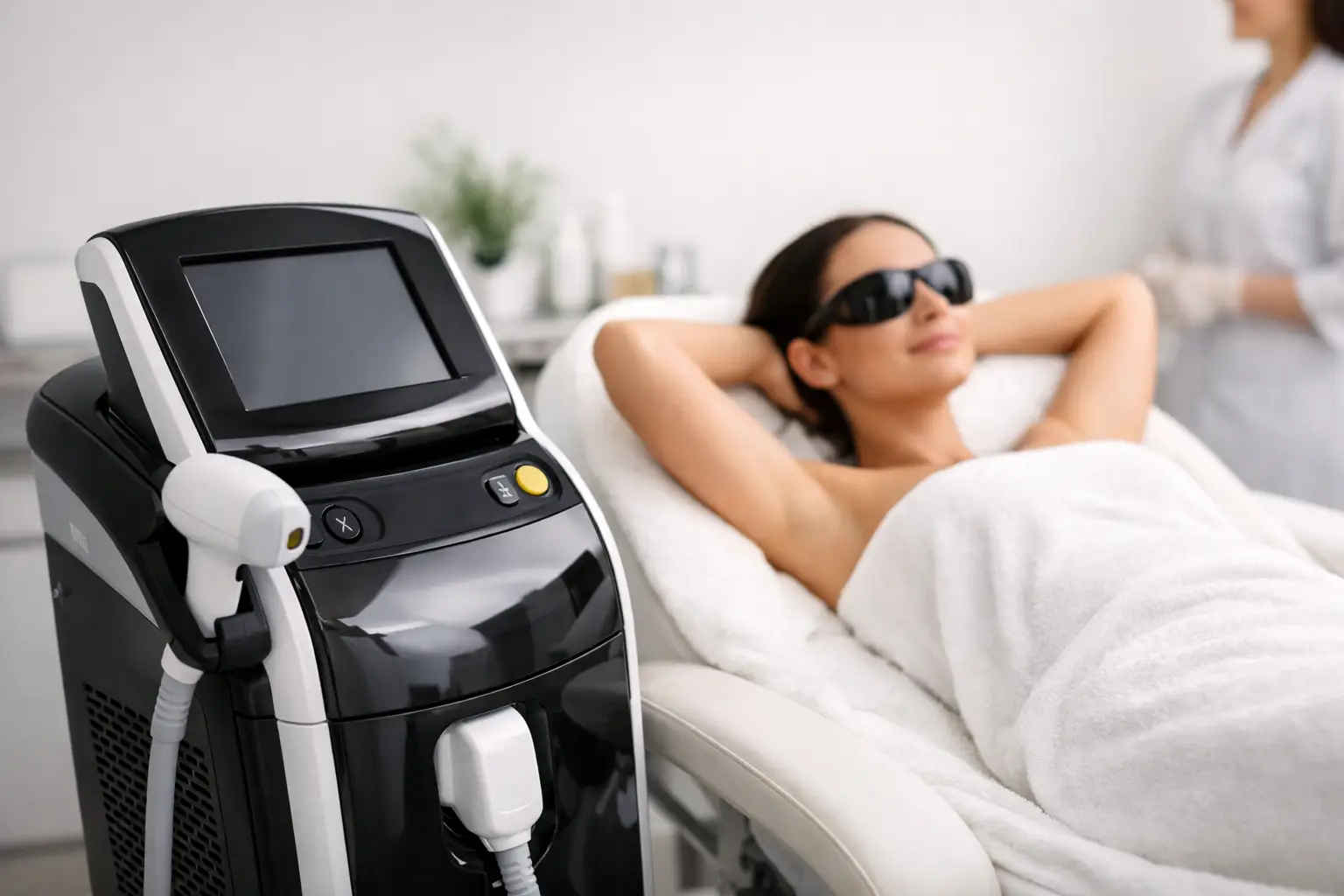
Not all laser hair removal systems deliver the same experience. Alma Soprano technology uses a gradual heating approach and built-in cooling designed to make treatment more comfortable than traditional single-pulse laser methods. For many clients, the sensation is manageable and often described as warmth or a quick prickling feeling rather than the sharper snap associated with older devices.
Comfort matters, particularly for larger or sensitive areas. It can also make it easier to stay consistent with the recommended treatment schedule. Still, pain tolerance varies. A professional provider will discuss what you may feel, assess the treatment area, and adjust settings appropriately while keeping safety and effectiveness at the center of the experience.
Who is a good candidate for laser hair removal in Tampa?
Many women and men are candidates for laser hair removal, including those looking to reduce hair on the bikini line, Brazilian area, underarms, legs, arms, chest, back, face, or neck. It can be especially appealing for people who are tired of razor burn, frequent waxing, or visible stubble soon after shaving.
Hair and skin contrast has traditionally influenced laser results because the device targets pigment. Modern platforms offer more treatment flexibility across a wider range of skin tones than earlier systems, but a consultation remains necessary. Dark, coarse hair commonly responds well. Very light blonde, red, gray, and white hair may be harder to treat because it contains less pigment for the laser to recognize.
Your provider should also ask about recent tanning, current skincare products, medications, pregnancy status, hormonal conditions, and any history of pigmentation changes. This is not paperwork for its own sake. These details help determine whether treatment is appropriate now, whether timing should be adjusted, and how your settings should be customized.
What results can you realistically expect?
The phrase “permanent hair removal” can create unrealistic expectations. Laser hair removal is better understood as long-term hair reduction. After a complete series, many clients experience substantially less hair, slower regrowth, and finer hair in the treated area. The remaining hair can become easier to manage, which is often the difference people notice most in their routines.
A typical initial series may include six to eight treatments, although the exact number varies. Appointments are usually spaced several weeks apart to match the hair-growth cycle. Facial areas may need closer intervals than body areas, while some clients need additional sessions based on their starting density or hormonal factors.
Maintenance is sometimes part of the long-term plan. Hormonal shifts, aging, certain medications, and conditions such as polycystic ovary syndrome can encourage new growth over time. Maintenance does not mean the original treatment failed. It reflects the fact that the body can activate follicles that were previously dormant or not effectively targeted during the initial series.
Preparing for your first treatment
A little preparation protects your skin and helps the laser focus where it needs to. Your provider will give you personalized pre-treatment instructions, but the basics are straightforward: avoid tanning and self-tanner before treatment, and protect exposed areas from direct sun. Tanned skin can increase sensitivity and may limit the settings that can be used safely.
Shave the treatment area as instructed, generally shortly before your appointment. Shaving leaves the follicle in place for the laser while removing surface hair that could absorb energy and create excess heat. Avoid waxing, tweezing, threading, or epilating for several weeks before your session because these methods remove the root the laser needs to target.
On treatment day, arrive with clean skin free of lotion, deodorant, fragrance, and makeup on the area being treated. Let your provider know about any changes in your health, medications, skincare routine, or recent sun exposure. If you use prescription retinoids or other active products, ask for specific guidance instead of guessing.
What happens after an appointment?
Most laser hair removal appointments are quick, especially for smaller areas. Afterward, mild redness or a warm sensation is common and usually temporary. Your provider may recommend cooling the area, using gentle skincare, and avoiding heat exposure such as hot tubs, saunas, strenuous workouts, or very hot showers for a short period.
Sun protection deserves extra attention in Tampa, where outdoor time can be part of everyday life. Use broad-spectrum sunscreen on exposed treated skin and avoid intentional tanning between sessions. Protecting your skin helps support a more even recovery and keeps your next treatment on track.
You may notice treated hairs appearing to grow over the following days or weeks. Often, they are shedding from the follicle rather than actively regrowing. Resist the urge to wax or tweeze them. Shaving is generally acceptable between appointments if needed, but follow the instructions from your treatment provider.
Choosing a provider is part of the result
Pricing matters, but the lowest advertised price is not always the best value. Laser hair removal is a treatment series, and consistency, appropriate technology, provider training, and treatment customization all influence the outcome. Ask whether your consultation includes a skin and hair assessment, what device will be used, how sessions are spaced, and what happens if your treatment needs change.
It is also reasonable to ask about packages, memberships, financing, and area-specific pricing. A transparent practice should explain your options without promising identical results for every person. The strongest plan is one that fits your goals, schedule, skin needs, and willingness to complete the recommended series.
Smooth skin is not about meeting anyone else’s standard. It is about spending less time managing hair in the places where it bothers you most. Start with a thoughtful consultation, be consistent with your sessions, and give the process time to show the visible results it is designed to deliver.