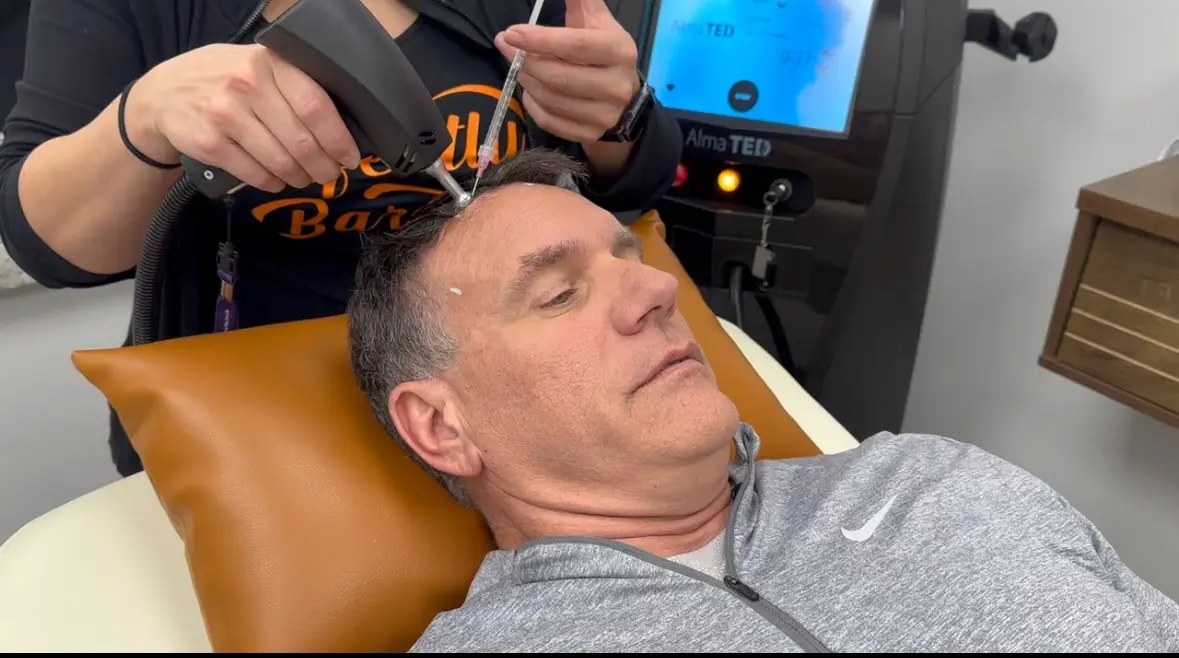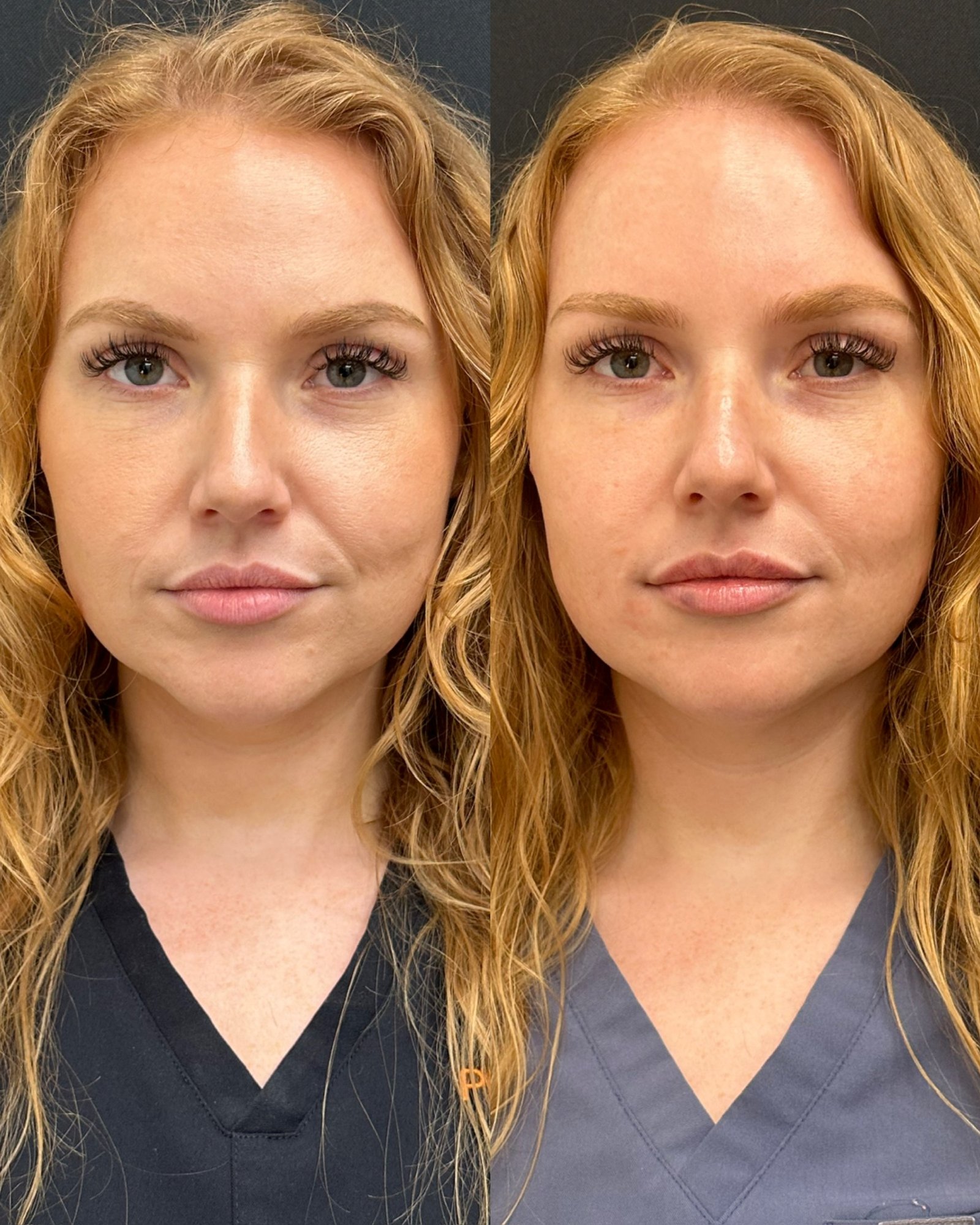
When patients ask about HALO laser resurfacing results, they usually want one honest answer: will my skin actually look better without weeks of hiding at home? That is the right question. HALO is popular because it can create meaningful improvement in tone, texture, pores, sun damage, and early signs of aging while keeping downtime far more manageable than older resurfacing options.
What makes HALO different is that it is a hybrid fractional laser. It treats both the surface of the skin and deeper layers in the same session, which allows providers to customize treatment intensity based on your skin goals, lifestyle, and recovery tolerance. For many patients, that balance is the reason HALO stands out.
What HALO laser resurfacing results really look like
The best HALO laser resurfacing results do not usually look dramatic in an artificial way. Skin tends to appear clearer, smoother, brighter, and more refined. Fine lines can soften, discoloration often looks more blended, and rough texture can improve enough that makeup sits better or becomes less necessary.
That said, expectations matter. HALO is not the same as a surgical procedure, and it will not create the kind of lift you would get from surgery or the volume correction you would get from injectables. It is a skin quality treatment. If your main concern is crepey texture, sun damage, enlarged pores, acne scarring, or dullness, HALO can be a very strong option. If your biggest issue is sagging skin or significant volume loss, a provider may recommend combining it with other treatments for a more complete result.
When you will see HALO laser resurfacing results
Most patients notice the first changes within about five to seven days, once the initial redness subsides and the skin begins its natural exfoliation process. During that early phase, the skin can feel dry and look bronzed or slightly rough before it starts to reveal a fresher surface.
Around the two-week mark, many patients see visible improvement in radiance and texture. The skin often looks more polished and even. Deeper benefits continue to develop over the following weeks as collagen remodeling progresses.
By one to three months, results are typically more established. This is when improvements in fine lines, pores, and overall firmness become easier to appreciate. If your treatment plan includes more than one session, your provider will space them based on your skin condition and goals.
What concerns HALO treats best
HALO is especially effective for patients who want one treatment to address several signs of skin aging at once. It is commonly used for sun damage, brown spots, uneven tone, rough texture, enlarged pores, mild to moderate acne scars, and fine lines.
It can also be a strong choice for patients who feel their skin looks tired even when they are taking care of it. Sometimes the issue is not just one wrinkle or one spot. It is the overall loss of clarity and smoothness. HALO is well suited for that broader skin refresh.
The face is the most common treatment area, but the neck, chest, and hands may also benefit in some cases. A thoughtful consultation matters here because thinner skin and different body areas may require a different treatment approach.
How long HALO results last
One reason patients invest in HALO is that the results can last. Improvements in pigment, texture, and overall skin quality are not just a two-week glow. With good skincare and sun protection, many patients enjoy visible benefits for months or longer.
How long your results last depends on several factors. Sun exposure is a major one. If you are treating sun damage but continue unprotected UV exposure, new discoloration can develop. Age, skincare habits, smoking, hormones, and your natural collagen production also play a role.
Some patients do very well with a single HALO treatment followed by maintenance. Others prefer a series or periodic sessions to keep building on their results. There is no one-size-fits-all timeline, which is why personalized planning matters more than generic promises.
What recovery is actually like
HALO is often described as low downtime, but that should be explained clearly. Low downtime does not mean no downtime. Most patients can expect redness, heat, swelling, and a sandpaper-like texture in the first few days. Some areas may darken temporarily as damaged pigment rises to the surface.
For many people, the most noticeable social downtime is around three to five days, though this varies by treatment depth and individual healing. Makeup may be possible after the skin barrier recovers, depending on your provider’s instructions. By about a week, many patients feel comfortable being seen in public without drawing attention.
The trade-off is simple. More aggressive settings may produce stronger HALO laser resurfacing results, but they usually come with more visible recovery. Lighter treatments can be easier to fit into a busy schedule, but results may be subtler or require more sessions.
Factors that affect your final outcome
The quality of your result depends on more than the device itself. Provider expertise is a major factor. HALO allows for customization, and that is a strength only when the treatment is planned well. Skin type, sensitivity, pigment history, and treatment goals all need to be considered.
Pre-treatment and aftercare matter too. Patients who follow instructions carefully often heal more smoothly and get better outcomes. That usually means avoiding sun exposure, using gentle skincare, keeping the skin hydrated, and resisting the urge to pick or over-exfoliate during recovery.
It also matters whether HALO is the right treatment for your concern. If melasma is your primary issue, for example, laser must be approached carefully because heat can worsen pigment in some patients. If you have deeper acne scars, HALO may help, but combining it with another technology could make more sense. The best plans are specific, not trendy.
Is one HALO treatment enough?
Sometimes yes, sometimes no. If your concern is mild sun damage, early texture changes, or a general refresh before an event, one treatment may provide a noticeable improvement. Patients with more advanced photodamage, deeper textural issues, or scarring often benefit from a series.
This is where realistic guidance matters. A reputable provider should be able to tell you whether your goal is a single-treatment glow, gradual correction over time, or a bigger skin renovation plan. In a trusted MedSpa setting, that conversation should feel clear and customized, not rushed.
Who tends to be happiest with HALO
The happiest HALO patients are usually the ones looking for visible skin improvement without the commitment of a more invasive procedure. They want real change, but they also want to get back to work, social plans, and daily life relatively quickly.
Patients who appreciate technology-driven treatments also tend to value HALO because it offers precision and flexibility. At a practice like Perfectly Bare Laser, where advanced device platforms and customized treatment plans are central to care, that kind of personalized laser approach fits naturally with what many aesthetics patients want now: measurable results with a plan that respects their time.
Still, it is not ideal for every person at every moment. Recent sun exposure, certain medications, active skin irritation, or unrealistic expectations can all be reasons to delay treatment or choose another option.
The bottom line on HALO laser resurfacing results
HALO can deliver impressive improvements in skin tone, texture, brightness, pores, and fine lines, especially for patients who want more than a facial but less downtime than traditional resurfacing. The results are often noticeable within a week or two and continue to build over the next several months.
The real key is matching the treatment to the right patient, the right settings, and the right aftercare. When that happens, HALO does not just make skin look refreshed for a few days. It can shift the overall quality of your skin in a way that looks polished, healthy, and genuinely visible. If you are considering it, the most valuable next step is not chasing the most aggressive treatment. It is getting an expert assessment of what your skin actually needs.