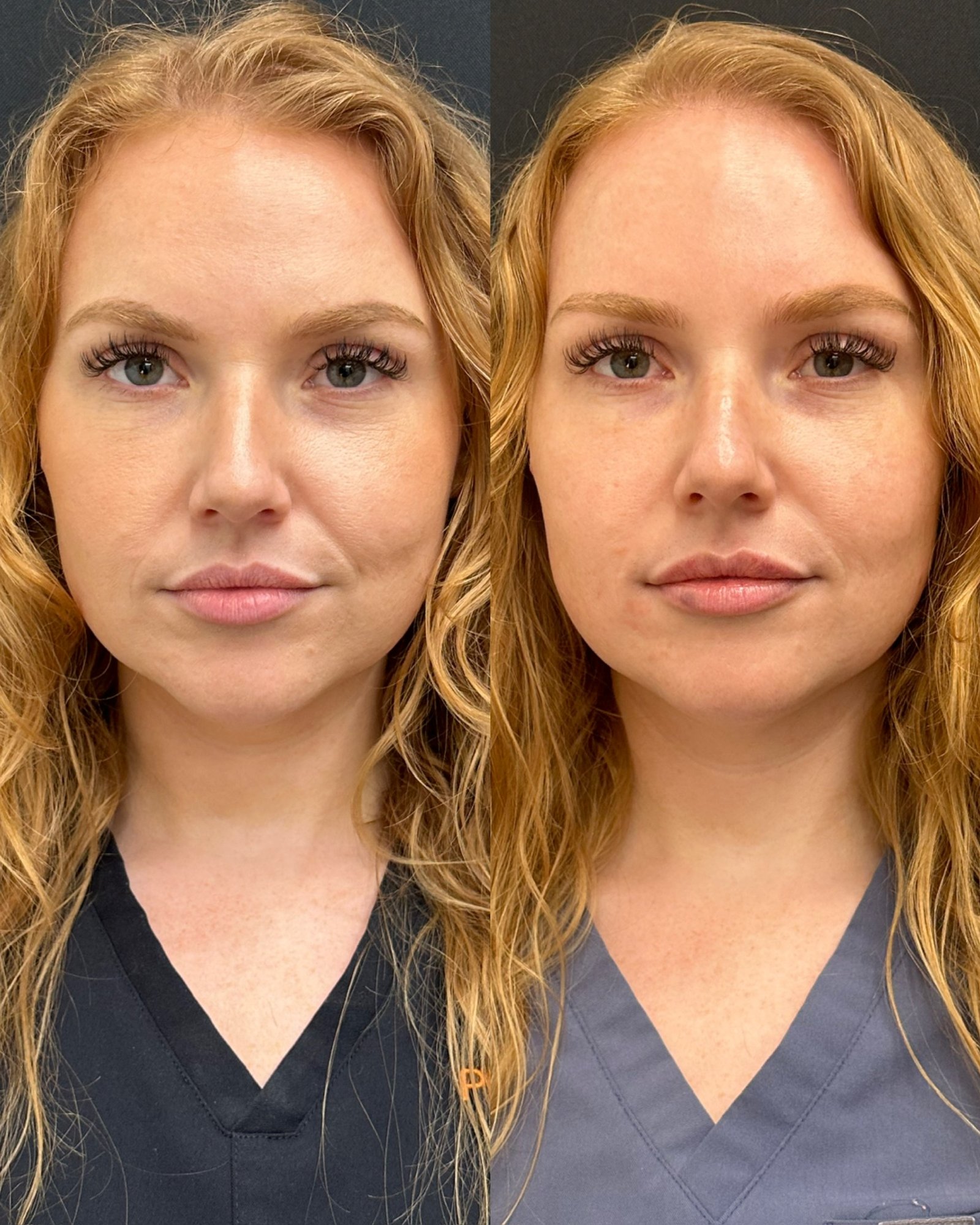
If your skin looks a little older than you feel, Florida sun is often the reason. HALO laser for sun damage is one of the most effective options for treating the visible aftermath of years spent driving, walking the dog, sitting poolside, or simply living in a high-UV climate. Brown spots, rough texture, uneven tone, and that persistent dullness many people call “crepey” skin tend to build gradually. HALO is designed to address several of those concerns at once.
That is exactly why it gets so much attention. Instead of treating only pigment or only texture, HALO works on both the surface of the skin and deeper layers where collagen remodeling happens. For patients who want visible improvement without the downtime of a more aggressive fully ablative laser, that balance is a major part of the appeal.
What makes HALO laser for sun damage different?
HALO by Sciton is a hybrid fractional laser. “Hybrid” matters here because it combines two wavelengths in one treatment. One targets the surface damage you can see, such as discoloration and roughness. The other reaches deeper to stimulate collagen and improve the overall quality of the skin over time.
That combination is why HALO is often chosen for people who are not dealing with just one issue. Sun damage rarely shows up as a single spot or line. More often, it is a mix of freckles that no longer look cute, patchy pigmentation, enlarged pores, fine lines, and skin that has lost some of its clarity. HALO can improve that broader picture.
It is also highly customizable. An expert provider can adjust the treatment depth and intensity based on your skin type, your level of sun damage, and how much downtime you can realistically manage. Someone preparing for a social event in a couple of weeks may choose a lighter treatment plan than someone focused on a more dramatic reset.
What HALO can improve after years of sun exposure
Sun damage is not just about dark spots. UV exposure changes the way skin behaves and looks over time. HALO is commonly used to improve sunspots, uneven pigmentation, redness related to photodamage, fine lines, rough texture, enlarged pores, and overall tone.
For many patients, the biggest change is not one specific issue disappearing overnight. It is that the skin starts to look clearer, smoother, and healthier overall. Makeup sits better. The skin reflects light better. The face looks fresher, even if no one can quite pinpoint why.
That said, expectations should stay realistic. Very deep wrinkles, significant skin laxity, or melasma may require a more customized treatment plan and sometimes a combination approach. HALO is powerful, but it is not the answer to every concern on its own.
How the treatment actually works
During a HALO session, the laser creates controlled microscopic treatment zones in the skin while leaving surrounding tissue intact. This fractional approach supports faster healing than a fully ablative treatment. At the same time, the thermal effect triggers collagen production, which is part of why results continue to improve after the initial recovery period.
Before treatment, a topical numbing cream is typically applied to improve comfort. Most patients describe the experience as very manageable, especially when the treatment is performed with proper prep and cooling support. You will still feel heat. You may also feel a prickling or snapping sensation depending on the settings used. But for most people, it is tolerable and well worth it.
Immediately after treatment, the skin usually looks flushed and feels hot, similar to a strong sunburn. Over the next few days, you can expect swelling, a bronzed appearance, and a sandpaper-like texture as damaged pigment rises and sheds. That shedding phase is part of the process, not a setback.
HALO laser for sun damage recovery and downtime
This is where patients often have the most questions, and fairly so. HALO has real downtime, but it is usually much more manageable than older, more aggressive resurfacing lasers.
Most people need about five to seven days of social downtime, though the exact timeline depends on treatment intensity. Day one is usually redness and heat. Days two and three often bring swelling and that bronzed look. By days three through five, the skin develops what many patients call a gritty texture as pigment begins to slough off. Once that clears, the skin starts to look brighter and smoother.
You will need to be diligent with post-care. That means gentle cleansing, heavy hydration, strict sun protection, and following your provider’s aftercare instructions closely. Picking at flaking skin is one of the easiest ways to interfere with healing, so hands off really does matter.
If you spend a lot of time outdoors, timing matters. Patients in sunny areas often do best scheduling HALO when they can be especially disciplined about avoiding direct sun before and after treatment. Freshly treated skin is more vulnerable, and protecting your results is part of protecting your investment.
Who is a strong candidate?
HALO is often an excellent fit for adults who want noticeable skin renewal without surgery and without the prolonged recovery of more aggressive laser resurfacing. It is especially attractive for people with visible sun damage, early to moderate signs of aging, acne scarring, or texture concerns that have not responded well to skincare alone.
A consultation is still essential because skin type, medical history, and pigment tendency all matter. Some patients with darker skin tones can be candidates, but treatment planning must be careful and provider skill becomes even more important. If you are prone to post-inflammatory hyperpigmentation, have active skin infections, are using certain medications, or have significant melasma, your provider may recommend adjusting the plan or choosing a different device.
This is one area where experience matters more than marketing. The best outcomes come from thoughtful assessment, not a one-size-fits-all protocol.
How many treatments do you need?
Some patients see meaningful improvement after one HALO treatment, particularly if their primary concerns are mild to moderate sunspots, dullness, and texture. Others benefit most from a series, especially when sun damage is more advanced or when the goal includes scars and deeper lines.
The right number depends on your starting point and your expectations. If you want a refreshed look with one strategic treatment, HALO can deliver that. If you are aiming for more correction and longer-term skin remodeling, your provider may recommend additional sessions spaced appropriately apart.
Maintenance matters too. If you continue getting unprotected sun exposure, pigment can return. HALO can correct visible damage, but it cannot make your skin immune to future UV exposure.
HALO vs other sun damage treatments
Patients often compare HALO with BBL, chemical peels, and more aggressive resurfacing lasers. The right choice depends on what is bothering you most.
BBL is excellent for pigment and redness and can be a strong option for ongoing maintenance. Chemical peels can help with brightness and surface texture, often with a lower price point and lighter downtime. More aggressive ablative lasers may produce dramatic correction but usually come with significantly more recovery.
HALO sits in a valuable middle ground. It is stronger than a light peel or many entry-level treatments, but more approachable than full resurfacing for many busy adults. If your skin concerns are layered, not just superficial, that middle ground can be exactly what makes it worth considering.
In a technology-forward setting like Perfectly Bare Laser, this kind of treatment is usually most effective when it is part of a personalized plan rather than treated as a standalone miracle. Some patients do best combining HALO with BBL, injectables, or medical-grade skincare for a more complete result.
Is HALO worth it for sun damage?
For the right patient, yes. HALO can produce real, visible improvement in pigment, texture, and overall skin quality in a way that feels substantial without demanding the kind of recovery that takes you out of life for weeks. That value is especially clear when sun damage is affecting multiple aspects of the skin at once.
But worth it does not mean effortless. You need proper preparation, a qualified provider, smart aftercare, and a commitment to sun protection afterward. If you are not ready to wear SPF consistently or follow post-treatment guidance, your results will reflect that.
The good news is that sun damage does not have to be something you simply accept. With the right technology and an expert treatment plan, skin that looks tired, spotted, or weathered can look clearer, smoother, and far more even. A good laser treatment should not make you look like someone else. It should help your skin look like it has been getting the care it deserved all along.