Acne may be temporary, but the marks it leaves behind can feel like they linger far too long. If you are researching how to improve acne scars, the most useful first step is knowing that not every scar responds to the same treatment. The right plan depends on whether your skin has indented scars, raised scars, lingering discoloration, active breakouts, or a combination of concerns.
At a trusted MedSpa, acne-scar treatment is not about chasing a single “best” procedure. It is about pairing the right technology and expert guidance with your skin type, scar pattern, lifestyle, and tolerance for downtime. With a personalized plan, many people see smoother texture, more even tone, and renewed confidence in their skin.
How to Improve Acne Scars Starts With Scar Type
Acne scars are not all the same, and treating them as if they are can lead to underwhelming results. A professional skin consultation helps identify what is actually happening beneath the surface.
Indented scars are the most common concern. Ice-pick scars are narrow and deep, boxcar scars have sharper edges, and rolling scars create a wavy or uneven appearance across the cheeks or jawline. These scars form when inflammation damages collagen during an acne breakout, leaving areas of the skin tethered or depressed as the acne heals.
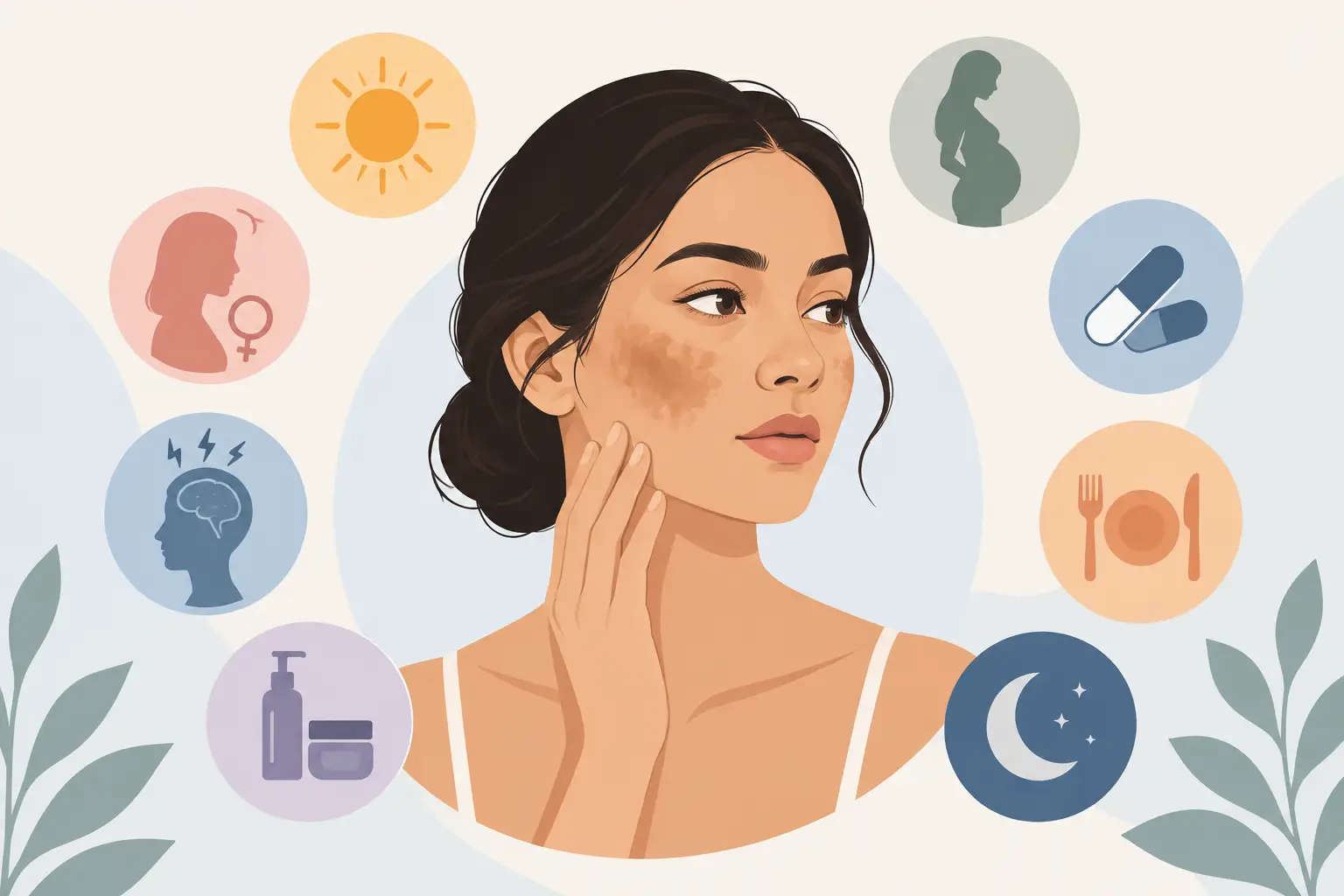
Some marks are not true scars at all. Red, pink, brown, or purple spots left after a blemish may be post-inflammatory erythema or hyperpigmentation. They can be frustrating, but they often respond differently than indented scars. Treating discoloration alone will not fully correct textural depressions, just as collagen-building treatments may not be the fastest route to fading residual redness.
Raised scars, including hypertrophic scars and keloids, need a more cautious approach. Because they involve excess collagen rather than collagen loss, aggressive resurfacing is not always appropriate. An experienced provider can determine whether injections, medical-grade skincare, or another approach is the safer choice.
Why Topical Products Have Limits
A thoughtful skincare routine can make a visible difference in skin clarity, tone, and overall quality. Daily broad-spectrum sunscreen is especially essential. UV exposure can deepen post-acne discoloration and make scar contrast more noticeable, particularly in the strong Florida sun.
Ingredients such as retinoids, vitamin C, azelaic acid, and exfoliating acids may help support cell turnover and fade uneven pigmentation when used appropriately. However, topical products cannot fully release tethered scars or rebuild lost collagen deep in the dermis. They are best viewed as a foundation for results, not a substitute for professional acne-scar treatment.
Using too many strong products at once can also backfire. Over-exfoliation, irritation, and a compromised skin barrier can trigger more inflammation and dark marks. A customized regimen should support your treatment plan without unnecessarily stressing your skin.
Professional Treatments That Improve Acne Scars
The best professional option depends on the scar type and the result you want to achieve. Many clients benefit from a series of treatments rather than one appointment, because collagen remodeling and skin renewal take time.
Fractional laser resurfacing
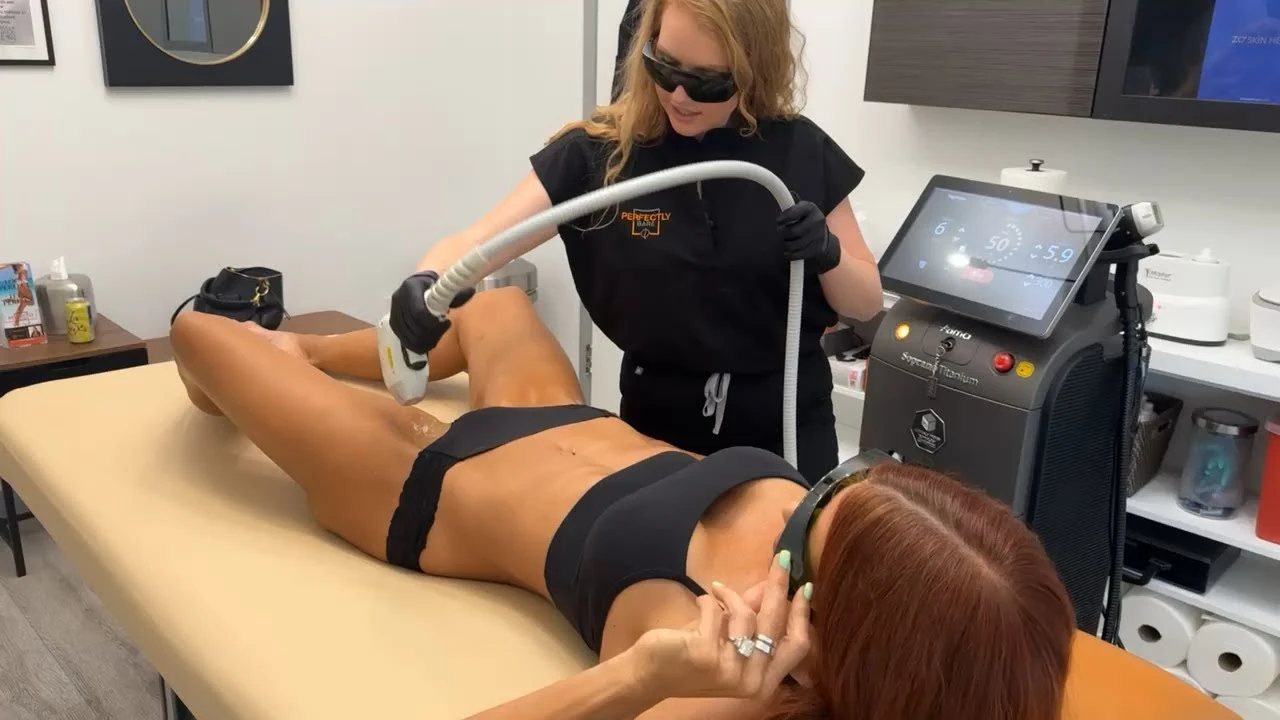
Fractional laser treatments create controlled micro-injuries in the skin to stimulate collagen renewal and resurface uneven texture. For acne scars, this can gradually soften the edges of boxcar scars, improve shallow depressions, and create a smoother overall complexion.
HALO hybrid fractional laser treatment combines ablative and non-ablative wavelengths, allowing providers to customize the balance between resurfacing intensity and downtime. It can be a strong option for clients who want to address texture along with discoloration, enlarged pores, and visible signs of sun damage.
Laser resurfacing is not one-size-fits-all. More aggressive treatment may produce greater textural change, but it also requires more recovery. Skin tone, pigmentation history, active skincare ingredients, and your schedule all affect how a provider designs the treatment.
RF microneedling with Morpheus8
Radiofrequency microneedling combines tiny needles with radiofrequency energy delivered at controlled depths. Morpheus8 is designed to remodel collagen below the skin’s surface while also improving texture and skin quality above it.
This treatment is often especially valuable for rolling scars and broader areas of uneven texture. Because the energy is delivered beneath the surface, it can encourage meaningful collagen remodeling with less visible downtime than some deeper resurfacing options. A series is typically recommended, and improvement continues gradually as collagen develops over the following weeks and months.
ClearLift for gentle collagen renewal
For clients who want a lower-downtime path to collagen stimulation, Alma ClearLift may be part of the conversation. This non-ablative laser treatment targets the deeper layers of skin while leaving the surface largely intact. It can support smoother-looking texture and more even tone with a treatment experience that is generally comfortable and requires minimal interruption to your routine.
ClearLift may be a smart fit for mild scarring or maintenance, but deeper acne scars may need a more intensive modality or a combination approach. The goal is not simply to choose the least invasive option. It is to choose the treatment that matches the degree of correction you want.
Treating redness and uneven color
When acne has healed but red or brown marks remain, light-based treatments can help create a more even-looking complexion. Sciton BBL uses broad-spectrum light to address unwanted pigment and visible redness, which may make post-acne marks appear less pronounced.
BBL does not fill indented scars, but it can be an excellent complement to collagen-focused treatments. Once the skin tone becomes more even, texture often looks less obvious as well. This is one reason a multi-step plan can produce more polished, natural-looking results than relying on one technology alone.
Combination care for deeper scars
Deep acne scarring often responds best to a strategic combination of treatments. Depending on the scar pattern, a provider may recommend collagen induction with Morpheus8, fractional resurfacing with HALO, targeted care for discoloration, and medical-grade skincare between visits.
Some scars are anchored beneath the skin, meaning they may require a procedure that releases the fibrous bands before resurfacing can make its full impact. This is why an in-person assessment matters. A treatment that works beautifully for superficial boxcar scars may be insufficient for deep rolling scars.
What Results and Recovery Really Look Like
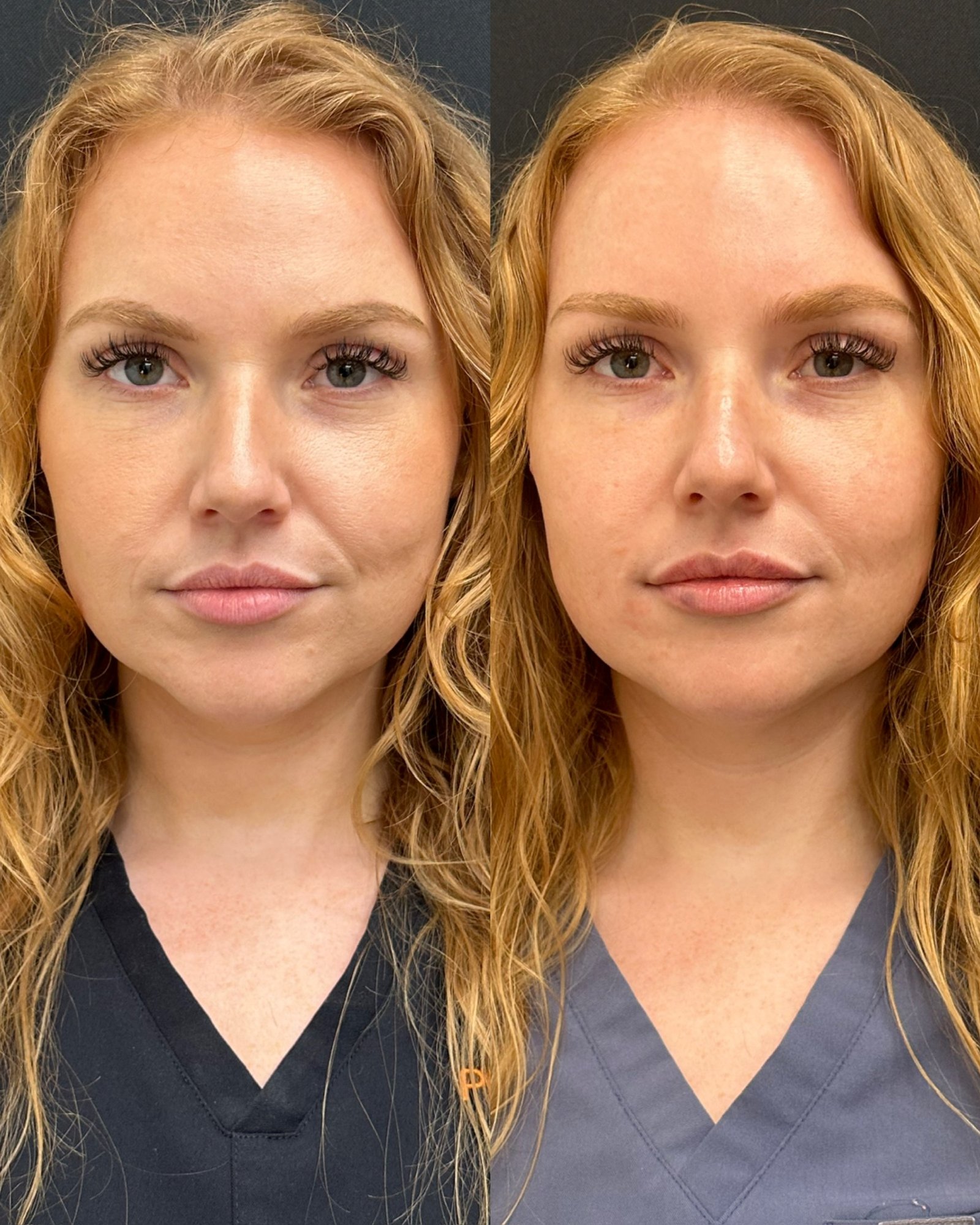
Acne-scar improvement is a process, not an overnight correction. Skin needs time to produce new collagen, reorganize existing collagen, and recover after treatment. You may notice early improvements in glow and smoothness, while deeper textural changes often emerge more gradually over several months.
Recovery varies by procedure. A low-downtime laser or RF microneedling treatment may leave the skin pink, warm, or slightly swollen for a short period. More intensive fractional resurfacing can involve several days of redness, dryness, peeling, or bronzing. Your provider should clearly explain what to expect, which skincare products to pause, and when you can return to makeup, exercise, and sun exposure.
The most natural results are usually progressive. The goal is not to erase every trace of your skin’s history. It is to noticeably soften scar texture, improve light reflection across the skin, and help you feel comfortable being seen up close.
Protect Your Investment Between Appointments
New breakouts can create new scars, so acne management remains part of every successful scar plan. If you still experience frequent breakouts, your provider may recommend addressing active acne first or treating both concerns in a careful sequence.
Avoid picking or squeezing blemishes, even when they seem ready to pop. This increases inflammation and raises the risk of pigmentation and scarring. Consistent sunscreen, gentle cleansing, and provider-recommended skincare help protect the progress you are making.
For Tampa-area clients, sun protection deserves extra attention after any resurfacing or light-based procedure. Freshly treated skin is more vulnerable to unwanted pigment changes, and daily SPF is one of the simplest ways to preserve a clearer, more even result.
Choose a Plan Built for Your Skin
The most effective answer to how to improve acne scars is not a trending product or a universal treatment package. It is an expert-guided plan that respects your skin tone, scar type, comfort level, and timeline. At Perfectly Bare Laser, advanced technologies such as Morpheus8, HALO, ClearLift, and BBL make it possible to customize treatment around real, visible goals.
Clearer-looking skin does not require perfection. It starts with choosing care that is precise, realistic, and designed to help your skin look smoother, healthier, and more like you.